SpaceVario CP210 | Modern Parking for Modern Spaces

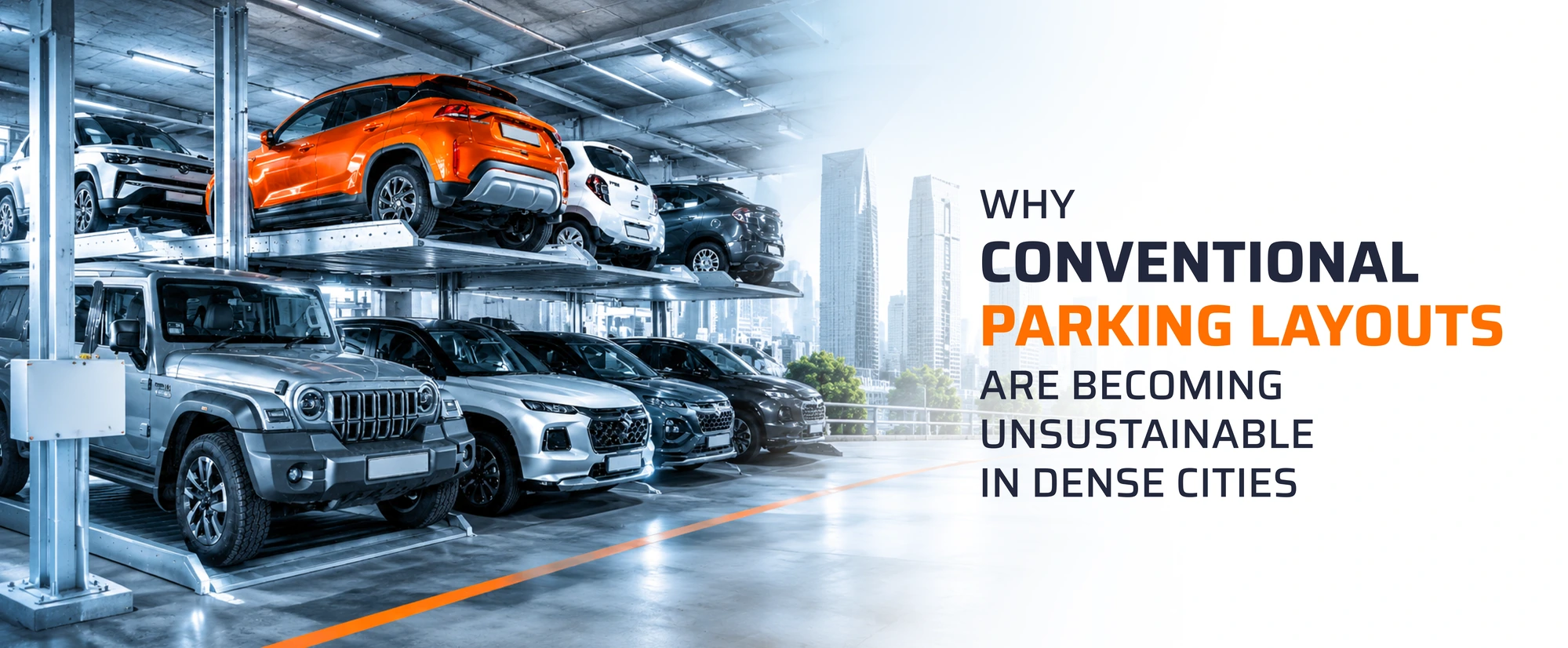
A severe problem is taking shape in modern urban spaces. It is the problem of rising car ownership. As urban spaces develop, more opportunities for commerce rise. As more people move to these developing urban spaces, land availability inevitably decreases, leading to parking becoming excessively cluttered. Traditional parking layouts are ill-equipped to handle rising car ownership because they rely on horizontal parking.

Given the rising urban challenges, real estate developers and architects need to incorporate more efficient parking integration, such as multi-level parking solutions. Modern projects need multi-level car parking solutions like stack parking and puzzle parking that can improve a parking space’s capacity without hampering development planning.

This is where advanced multi-level parking solutions are becoming increasingly relevant.

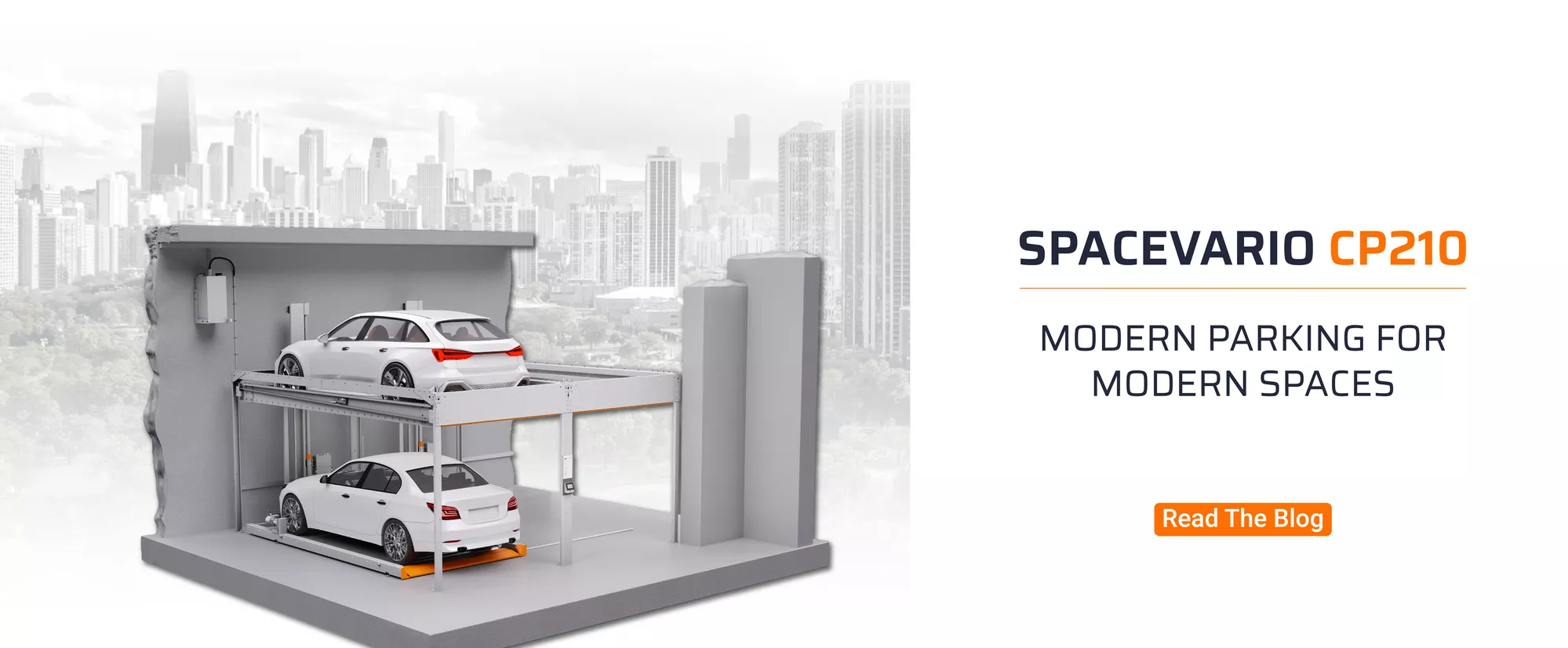
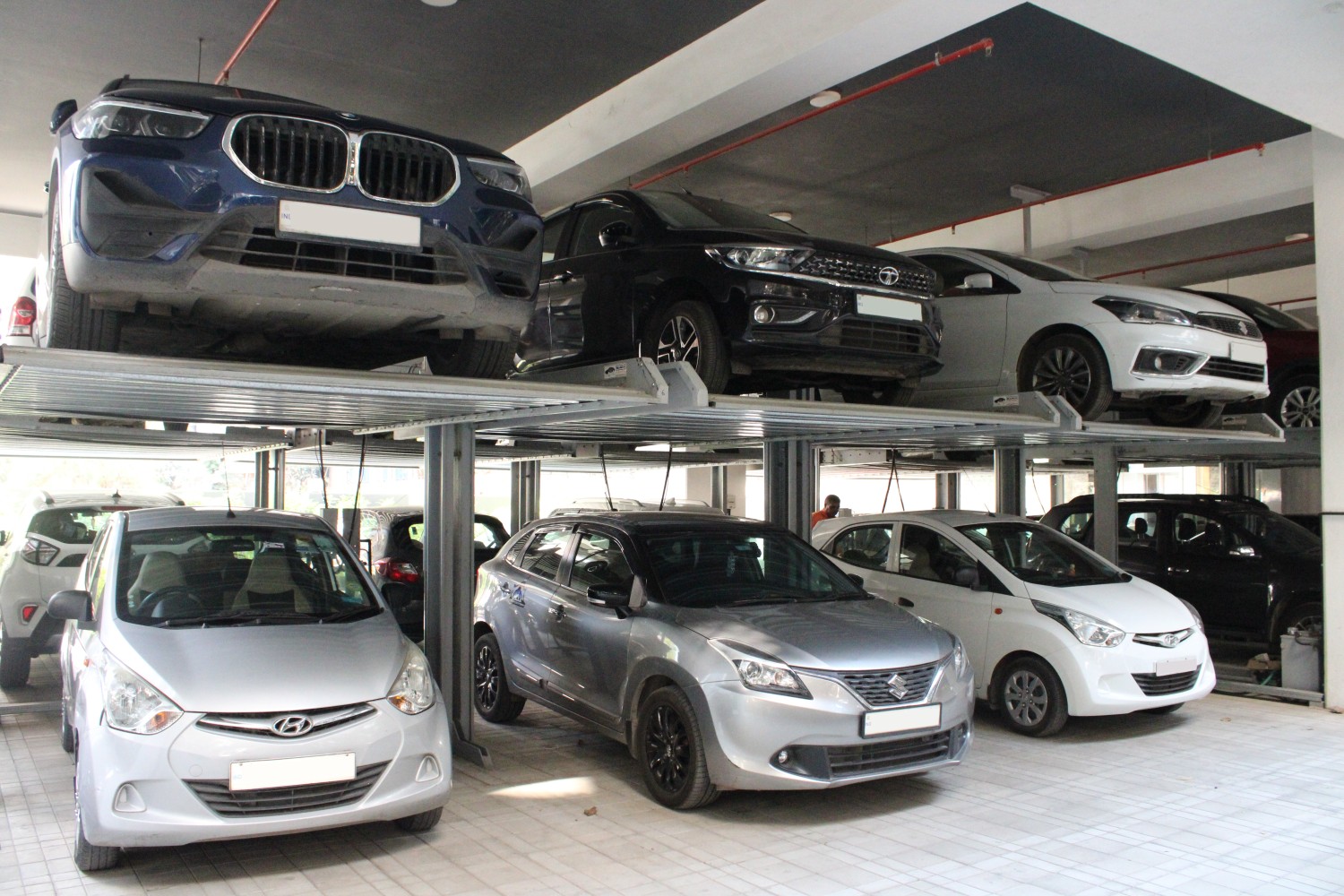
KLAUS Multiparking’s SpaceVario CP210 Puzzle Parking System answers all the problems that come with traditional parking setups.

  • Designed for space-efficient multi-level parking
  • Uses both horizontal and vertical platform movement
  • Enables higher parking density within limited footprints

How CP210 Solves Modern Parking Challenges

Space Optimisation

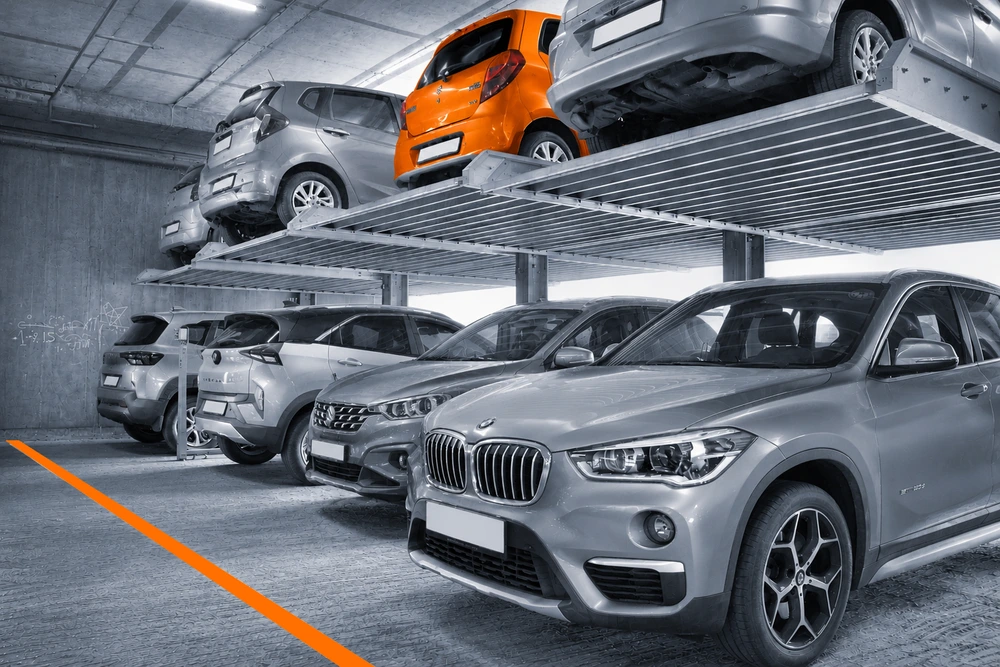
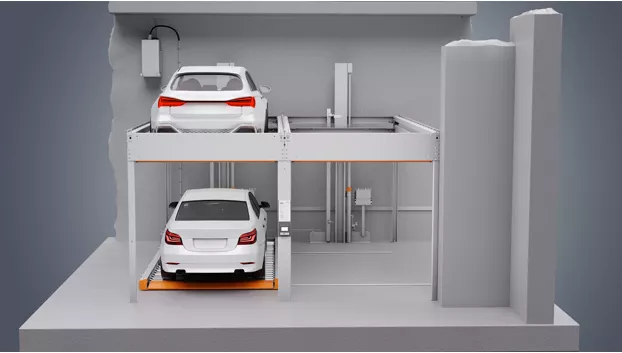
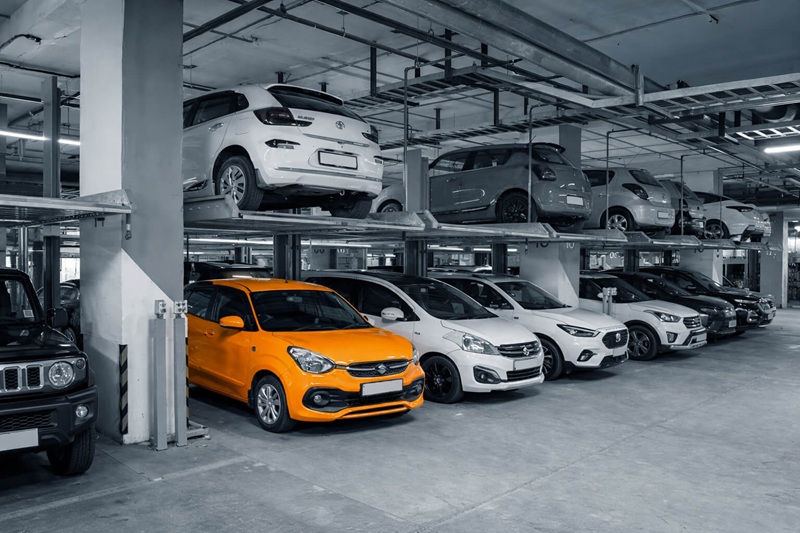
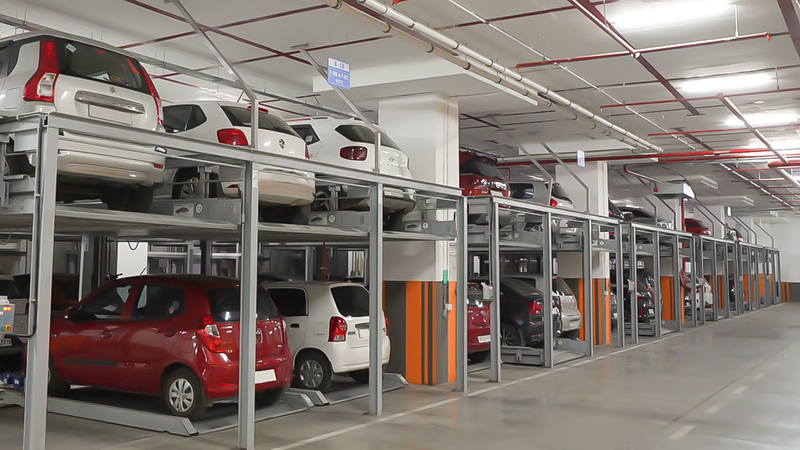
The SpaceVario CP210 from KLAUS Multiparking is a puzzle parking system designed for high-density parking within constrained urban spaces. The parking system is made out of platforms that move both horizontally and vertically for vehicle retrieval. This helps the parking system to accommodate more cars in the same parking footprint.

Flexible Integration

Mechanical parking systems like the SpaceVario CP210 puzzle parking system are adaptable to different site conditions and layouts, including residential, mixed-use, and commercial developments. Since it does not require a pit and has ground-level access to the cars, it is suitable for varying parking capacities and structural designs. This ease of parking access helps its integration into both existing and new parking developments since it does not
require any extensive structural modification.


Benefits For Developers


The SpaceVario CP210 gives multiple benefits to real-estate developers since it helps improve the parking capacity within a limited land area. Not only does it help park more cars in the same footprint, but it also frees usable project space for further amenities or any other additional utilization.

Real-estate developers also benefit from the system’s structured operational design and semi-automatic functionality, which support reliable parking movement and efficient vehicle retrieval.

Core Features of the SpaceVario CP210 Puzzle Parking System

The SpaceVario CP210 combines practical parking functionality with space-efficient engineering. Key features of the system include:

  • Semi-automatic operation with horizontal and vertical platform movement
  • High-density multi-level parking configuration
  • User-friendly vehicle retrieval process
  • Flexible layout integration for multiple project types
  • Structured and safety-focused system operation

Key Specifications

  • System capacity: 2,000 kg standard, convertible up to 2,600 kg
  • Vehicle dimensions: Height 150 cm to 200 cm, length 500 cm to 520 cm
  • Usable platform width: 210 cm to 270 cm
  • Building ceiling height: 330 cm to 430 cm

Parking is now much more than an afterthought in urban projects. They are now a critical component of modern infrastructure. Projects today require multi-level parking solutions that not only increase capacity but also align with long-term operational and spatial requirements. KLAUS Multiparking’s advanced multi-level parking systems, like the SpaceVario CP210, help address these modern needs and integrate reliable parking infrastructure within limited urban space.

How Developers Can Increase Parking Capacity Without Expanding the Building Footprint

Urban planning and architecture face numerous challenges when building in high-density environments, with parking being the primary issue. In the face of an increasing number of car owners and the lack of additional land, developers often see standard parking designs falling short of meeting the rising demand for parking spaces.

In such cases, architectural solutions, such as multi-level parking solutions and automated parking structures, need to be considered by developers. Contrary to traditional solutions that require more land, these options take advantage of vertical expansion, thus accommodating more vehicles on-site in the same parking footprint.

Planning parking from the start

When parking is designed at a later stage of the construction process without considering it from the start, it can result in ineffective space usage. Multi-level parking solution providers like KLAUS Multiparking work with the architects and planners at the early stages of the building, helping parking spaces become integral parts of the design.

In this manner, it will be possible to optimise the basement design, minimise circulation wastage, and ensure that the parking lot size matches the needs of the development without sacrificing any other utilised area.

Making better use of vertical space

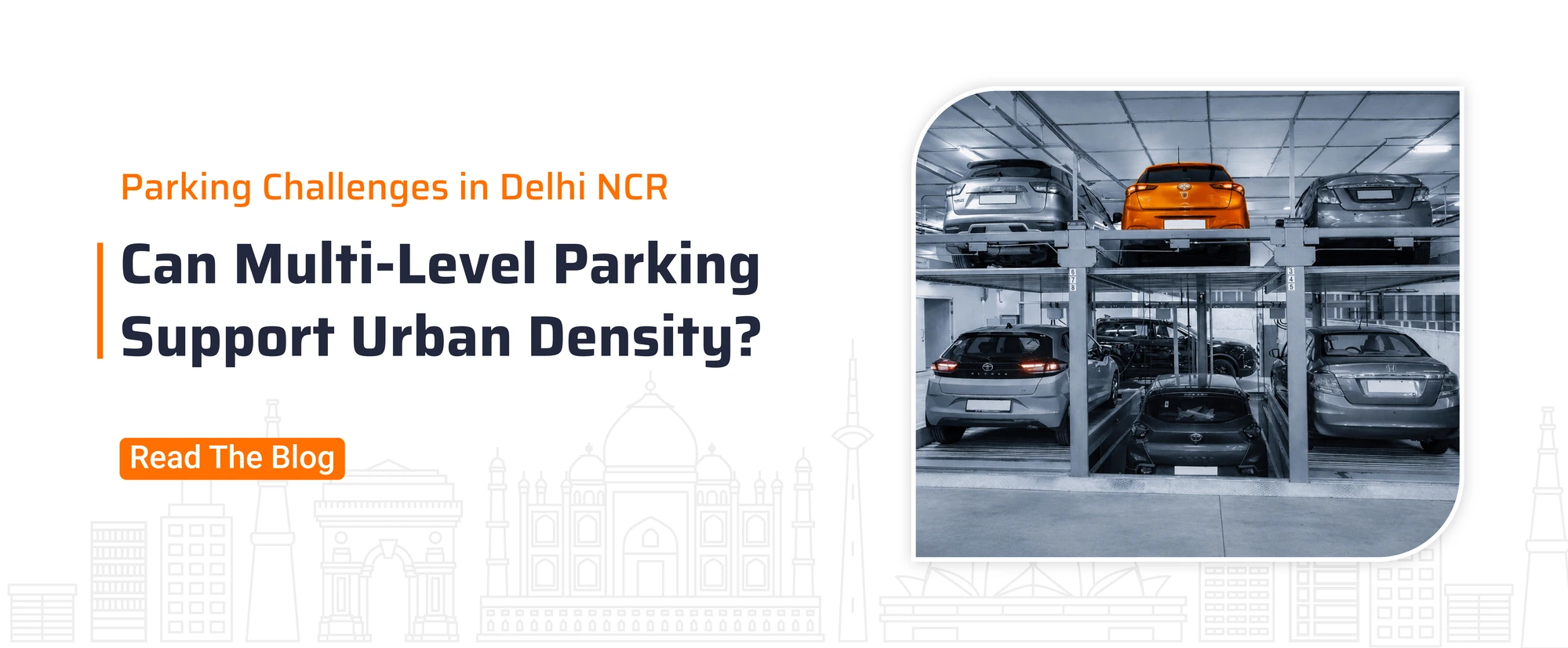
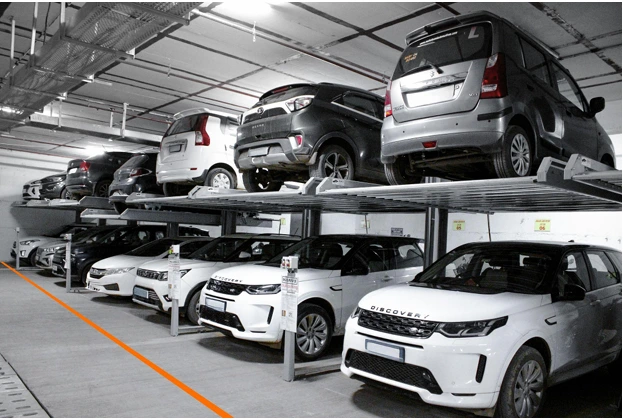
One of the simplest methods to expand parking capacity is to apply vertical stacking techniques. Stack parking involves placing cars on platforms stacked above one another, thereby doubling or tripling the capacity of parking lots in just one parking bay.

This technique is especially suited for residential units and small-scale commercial developments where there is sufficient demand for parking facilities. As it only requires a basic construction arrangement, stack parking can easily be incorporated into existing designs.

Handling more complex design and puzzle parking

In situations where there is a higher requirement for parking or more complicated site designs, puzzle parking systems have more flexibility to operate since they are able to handle the vertical and horizontal movement of cars inside a grid pattern.

Mechanical parking solutions like puzzle parking can adapt to the unusual layout because they are not confined to parking ramps or parking paths that may not be easily accommodated in developments. Through this system, there will be an organised arrangement of cars, eliminating any wastage of space.

Increase capacity without increasing the footprint

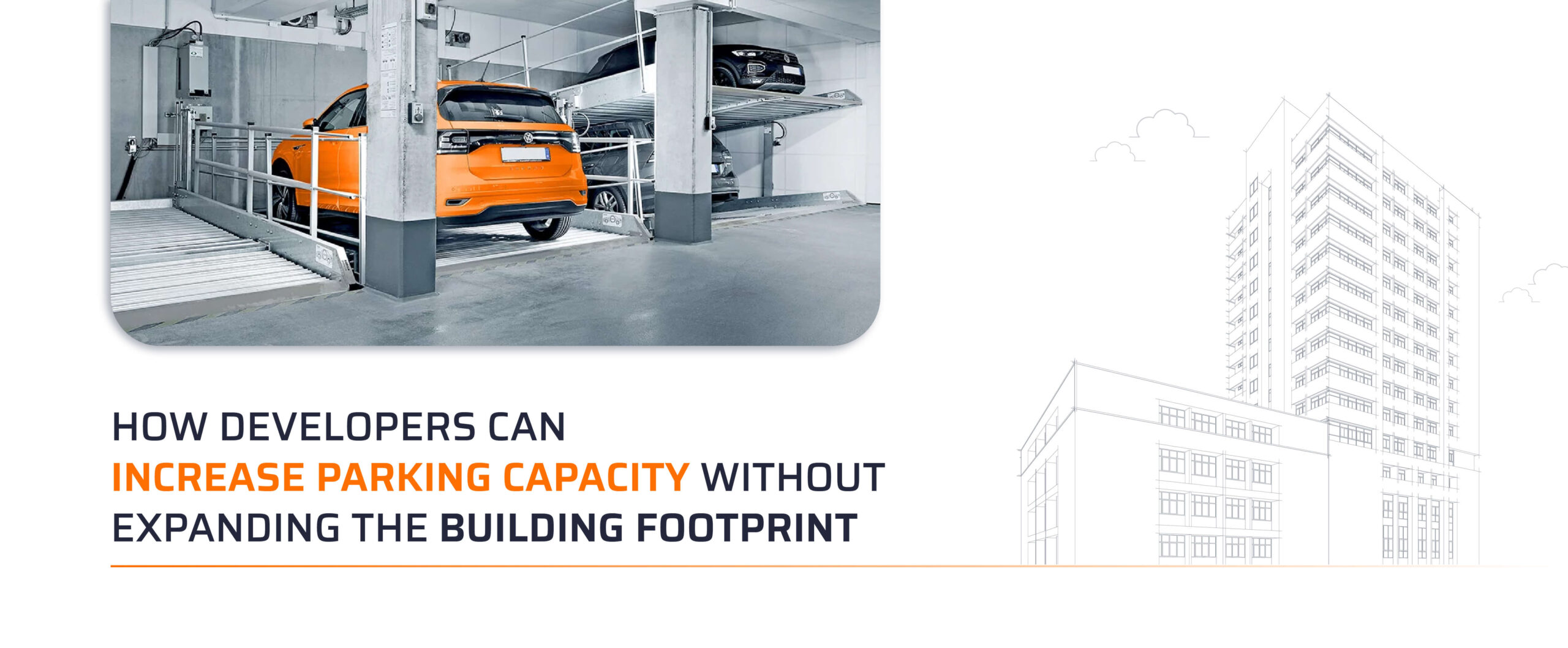
The biggest benefit from using multi-level parking facilities is that they will be able to increase parking capacity without necessarily taking up more land area.

It is also necessary since it allows freeing some space for performing other tasks within the construction, whether this be additional construction space, facilities, or landscape design. In general, this makes sure that parking is not a constraining factor during development.

Planning future performance of parking facilities

Apart from providing enough space for a particular number of cars to park, developers have to think about the functioning of the facilities in the long term as well. Thus, in addition to increased capacity, a proper mechanical parking system should ensure that the parking facility works effectively and consistently.

KLAUS Multiparking’s multi-level parking systems, such as stack parking and puzzle parking, withstand frequent use, ensuring the facility maintains its performance standards over time.

Space limitations are common in urban developments; therefore, it becomes necessary to maximise parking capacity when space resources are limited. In these situations, multi-level car parking, stack parking, and puzzle parking could be considered.

KLAUS Multiparking at iDAC Mumbai 2026 | A Preview

iDAC is India’s leading expo dedicated to interior design, architecture, and construction. The event brings together 200+ brands under one roof to showcase leading products and solutions across the sectors. The three days foster meaningful conversations, strategic networking, and potential partnerships.

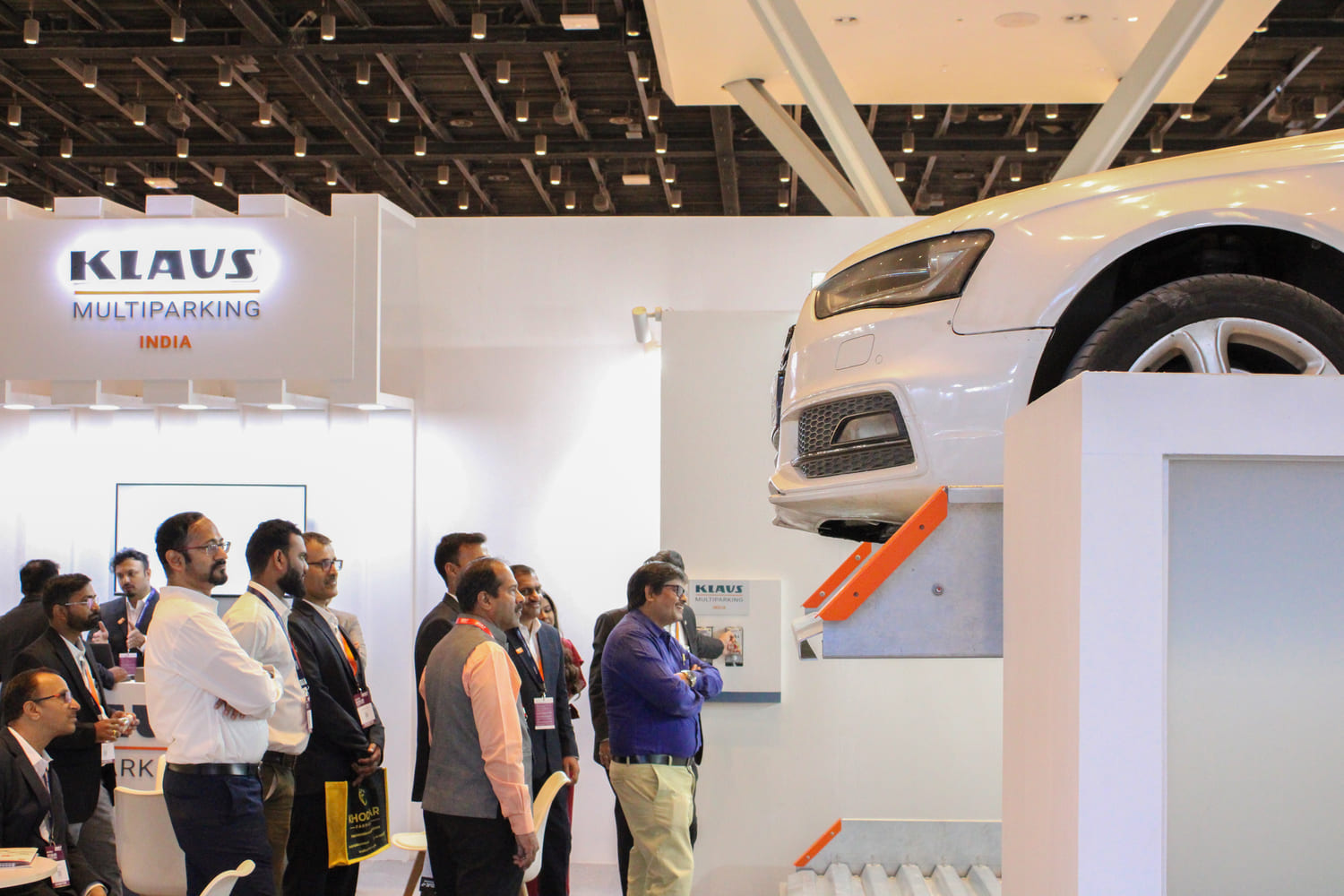
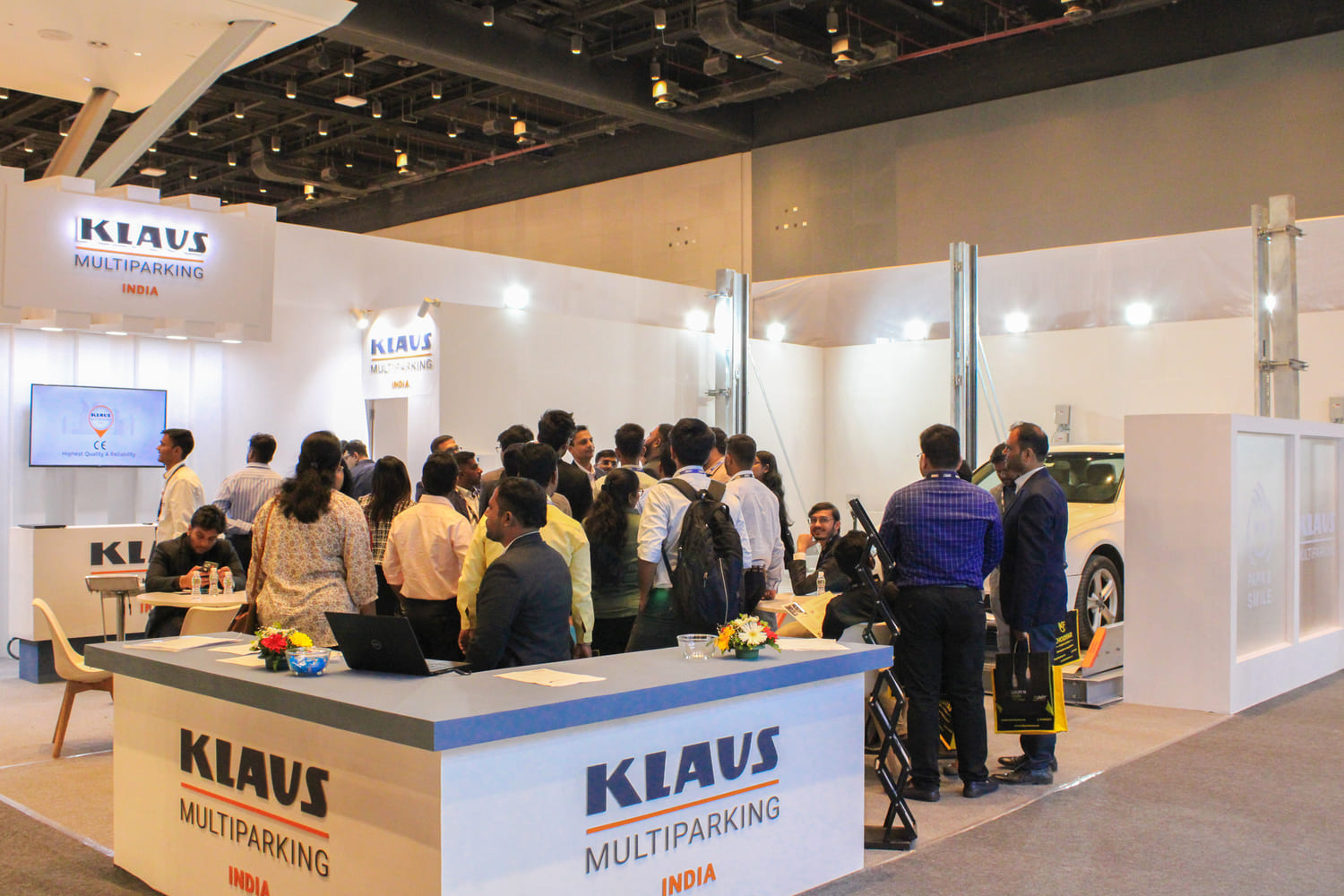
One of the key points of conversation in this iDAC expo 2026 is how modern parking is helping create more space in urban spaces. In urban spaces, with an ever-increasing population and a fixed capacity to hold it, this imbalance has adverse effects on parking. In an effort to combat this issue, KLAUS Multiparking has been working to deliver seamless, hassle-free parking experiences. This iDAC expo, KLAUS Multiparking, is showcasing its advanced multi-level parking solutions, including stack parking, puzzle parking, tower parking, and more.

KLAUS Multiparking at iDAC Mumbai 2026

Why iDAC Matters to the Parking Industry?

iDAC Expo 2026 has grown to become a meeting point for architects, developers, and consultants across the country. Making it a space where the drivers of the industry can come together and focus their mindset on the growing and present problems facing the industry.

One of the key focuses at the iDAC event remains on space efficiency and infrastructure integration. Making the presence of KLAUS Multiparking all the more relevant and important at the event.

KLAUS’s Participation at iDAC expo 2026

KLAUS Multiparking is showcasing its advanced multiparking solutions, engaging and meaningfully networking with industry stakeholders. The company is going to showcase its focus on practical, space-efficient parking solutions that address modern urban space constraints.

Parking Systems Designed for Real Projects

A key focus of KLAUS Multiparking at the iDAC event is going to be an emphasis on the following:

  • Parking efficiency
  • Vehicle safety
  • Ease of usability

KLAUS Multiparking is also going to showcase how its parking solutions help with the management of parking in high-density housing. With its manufacturing importance on system reliability, vehicle safety, and ease of use, KLAUS Multiparking helps users get a seamless and hassle-free parking experience.

Working with Architects and Developers

Another element that KLAUS Multiparking pays real emphasis on is an early-stage collaboration with architects and developers. The close collaboration is going to be a central focus at iDAC expo mumbai where all the industries come together to see the new innovations in interior design, architecture, and construction. At the event, KLAUS Multiparking can showcase how they’re aligning parking systems with architectural intent from the initial stages.

What to Expect at iDAC Mumbai 2026

KLAUS Multiparking is going to be a part of the iDAC expo 2026 in Mumbai. Showcasing its advanced multi-level parking solutions, like stack, puzzle, tower parking, and more.

We invite you to visit us at the iDAC expo:

  • Location: Jio World Convention Centre, Mumbai
  • When: 12th to 14th March 2026
  • Where: Booth no. C07

Let us show you how multi-level parking is integral to modern urban spaces, and not an afterthought.

Why Is Puzzle Parking a Key Factor in Indian Real Estate Sales?

Modern urban centers have parking at the core of their day-to-day operations. Considering the volume of cars being driven and parked daily, parking is no longer a backend feature; it is a systemic asset for Indian real estate sales. Now it is imperative to have an advanced parking system that can accommodate cars safely in any development. Indian buyers, too, are now actively asking about the parking quality before making an investment. Due to cities getting denser, shrinking plot areas, and rising car ownership, parking spaces are getting scarce. In a landscape such as this, parking impacts the perception, value, and sales velocity of real estate sales, making mechanical parking solutions like puzzle parking an improved addition to real estate developments.

A rapid urbanization across metros and Tier 1 cities have very directly led to a shrinkage in land and tight plot sizes, which has further led to high land costs. In between all this, mandatory parking norms in India, guided by the National Building Code (NBC) and local DCRs, are also putting increasing pressure on developers.

To solve all of these problems, there lies an elegant and simple solution: puzzle parking. This is a mechanical system that parks cars in multi-level spaces with a grid of movable platforms. These platforms act like a giant sliding puzzle that regulates seamless parking and retrieval of the vehicles. It is a space-saving solution suitable for apartments, offices, and malls, allowing more cars to fit in a smaller footprint.

This suits Indian building typologies since parking space is limited, and within that small
footprint, a mechanical parking system, like puzzle parking, can accommodate many more cars. Let us delve into this further.

A Key Factor in Real Estate Sales
Puzzle parking is a key factor in Indian real estate sales for a variety of reasons. Some of
the more pertinent ones include:

  • More cars in the same footprint
  • Reduced need for deeper basements
  • Fewer ramps, drive aisles, and turning radii
  • Ability to meet parking requirements without sacrificing sellable area

Now that more cars can be parked and retrieved with ease without impacting the existing sellable area, puzzle parking only enhances the value of a real estate development and makes multiit more enticing to consumers.

Why Buyers Prefer Puzzle Parking?

Real estate investors are affected by the shrinking parking spaces, so now they are looking for an escape from the disorganized clutter that is usually present in the traditional parking systems. With a multi-level parking system like puzzle parking, buyers get:

– Guaranteed parking spots
– Cleaner, more organized basements
– Reduced risk of dents and damage
– Faster parking compared to tight conventional basements

Benefits for Developers

For developers, these multi-level car parking systems offer a plethora of benefits. Apart from acting as a differentiator in sales brochures and site visits, puzzle parking can help:

  • Improved project valuation
  • Better use of podiums and basements
  • Lower excavation and construction costs

This Multi-level car parking system can also be integrated really easily into Indian real estate developments. The puzzle parking system is retrofit-friendly for redevelopment projects and older buildings, and is also scalable for residential, commercial, and mixed-use buildings.

Why Choose KLAUS Multiparking?

KLAUS Multiparking’s puzzle parking is an advanced parking solution that has enabled efficient,
simplified, and safe parking for more than 2 decades.

As the Indian real estate is evolving toward efficiency-led design, KLAUS Multiparking stands at
the forefront of the development, helping the country park safer and better.

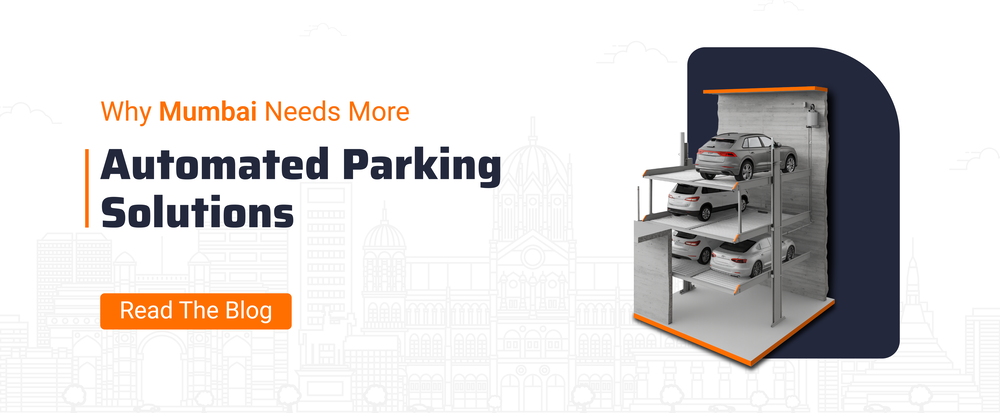
Why Mumbai Needs More Automated Parking Solutions

Mumbai, India’s financial capital, has been the bedrock of the country’s growth, but this growth comes at a price. Mumbai’s increasing industrialization and rising population have led to a severe lack of space in the city. This has a very direct impact on the real estate costs, the urban density, and the parking spaces. This growing mismatch between urban growth and parking infrastructure is leading the city into clogged areas, and no freedom to park freely and efficiently.

With the parking spaces shrinking and the population of the city rising, the people in Mumbai need newer and more advanced automated parking solutions. These parking solutions utilize the vertical parking space and are not just reliant on the horizontal spaces, making sure that the parking and retrieval of the cars is seamless, and that the people don’t have to wait in long queues and cluttered spaces to get a parking spot.

Mumbai’s Space Crisis

Mumbai’s urban spaces have been shrinking, and there are a lot of factors contributing to it.
Large-scale projects have been converting vital public spaces into concrete infrastructure and leading to a higher real-estate value and limited land availability. This has contributed to a larger problem of less availability of space for a rising population. With the rising population comes an increase in the number of vehicles on the road, but parking spaces remain limited.

Traditional parking models use too much of the footprint, since they only utilize horizontal parking space; there is no judicious or efficient use of land. Since the urban spaces are shrinking and they don’t use the land judiciously, automated multi-level car parkings are the only feasible approach to ensure that the parking in urban areas remains seamless and efficient.

How Automated Parking Systems Transform Space Efficiency

An automated parking system is a type of mechanical parking that relies more on technology than it does on human help to operate it. Multi-level car parking systems that are automated help maximise space efficiency since they utilize vertical space for parking instead of just relying on horizontal spaces. These multi-level parking systems use mechanical lifts, robotic machinery, and other automated equipment that help create a smooth and efficient car parking and retrieval experience.

The usage of a vertical volume instead of a horizontal sprawl enables it to effectively double or triple the car parking capacity in the same footprint. Simply put, where only one car would’ve
been parked, now two or even more can be parked, depending on the make and model of the multi-level car parking system.

Since automated parking systems can be integrated in basements, podiums, and retrofits, they make a beneficial addition to both residential and commercial developments.

blg

Reducing Congestion and Search Traffic

In Indian urban spaces, a percentage of traffic is caused by cars that are searching for parking. With the shrinking parking spaces, the influx of population, and the rising car ownership is under severe strain because of the parking spaces. Mumbai’s narrow streets and an already stressed road network are certainly not helping with the congestion.

In this situation, automated parking solutions, like stack parking and puzzle parking, can come to the rescue. In these modern multi-level parking systems, there is no need for circulation inside buildings, since they rely on a drop-and-go model. Cars are parked and retrieved automatically, thus eliminating any unnecessary waiting.

In these automated parking solutions, there is a shorter entry time and no roaming for available spots. Since the cars find a place seamlessly, it directly impacts the traffic flow around major
hotspots, making the roads less congested and easier to navigate.

User Safety, Convenience, and Reliability

In automated parking solutions, the element of user safety becomes an important one to consider. These mechanical parking systems ensure that there is:

  • Limited human entry inside parking zones
  • Machine-precision parking
  • Reduced risk of damage
  • More predictable retrieval experience
  • Accessible entry cabins for elderly, differently-abled users
  • Cleaner, controlled environment without congestion

Final Takeaway

Mumbai stands as one of the most dense and populous cities in the country. With the rising congestion, automated parking systems aren’t a luxury; they are an urban necessity. With the
adoption of these multi-level parking systems, cities like Mumbai can see:

  • Reduced congestion
  • Improved safety
  • More saved space
  • Smarter urban development

KLAUS Multiparking’s engineering-led solutions can help with the parking and congestion constraints in a city like Mumbai with its future-first and modern multi-level parking systems. Not only are these parking systems designed to help ease the clutter, but they also elevate the parking and retrieval experience for the end-user.

Basement Parking Design Challenges in Indian Metro Cities – And How to Solve Them

India is one of the fastest-developing countries that accommodates a population of 1.47 billion in a space that is rapidly shrinking, especially in metropolitan cities like Delhi and Mumbai. This shrinking space can be attributed to urbanization, growth in the number of cars owned, and parking spaces that don’t utilize new and upcoming technologies, instead focusing on only horizontal space utilization. This is where basement parking design comes in. Basement parking is an efficient option for multi-level car parking. Since it does not use the existing horizontal space, but makes its own space underground, it is suitable to tackle the rising urban space
shrinkage, especially with multi-level parking. Basement parking design, however, comes with its own set of design challenges that can hamper its efficiency. In this article, we are going to examine basement parking design challenges in Indian metro cities and how to solve them.

The Urban Reality: Why Basement Parking Matters

Basement parking is increasingly becoming the need of the hour for various reasons. Some of the most pertinent reasons include:

Rising Property Rates

As the urban land shrinks, the property rates keep increasing. In this situation, the usage of vertical parking starts to become a more viable and logical option for car parking.

Essential Use

Basement parking opens up a new space to park several cars. Since it can afford to park a higher number of cars, it has now become a part of most parkings in residential towers, malls,
hospitals, and offices.

Key Basement Parking Design Challenges (Core Section)

The design of the basement parking is posed by a number of challenges. These challenges include:

Limited Space & Poor Manoeuvrability

Most basement parking spaces are created with space restrictions. Now, these restrictions are overcome with architectural solutions that include the creation of narrow basements, tight ramps, and blind turns in the parking spaces. These solutions, however, create several problems, including traffic bottlenecks, risk of dents in cars, and inefficient circulation of the moving cars, especially on days when there is a high volume of cars.

The foremost method to deal with such problems is to have a smarter layout of the multi-level car parking system. There can be one-way circulation of the vehicles, turntables for cars, even puzzle and stack parking systems, and other mechanical and automated parking systems that can increase the car capacity without widening the space.

Safety, Visibility & Emergency Access

Another big challenge that comes with basement parking in metro cities is that of dark corners, poor lighting, and difficulty in efficient evacuation of the cars in cases of emergency. This poses fire safety and pedestrian safety challenges for all the cars inside the multi-level car parking system.
The solution for these problems is straightforward. In areas with poor lighting and dark corners, there needs to be high-lux lighting, CCTV cameras, sprinkler systems, routes that are designated for pedestrians, clear signage at every entry, exit, and turn, and elevators near the entries.

Capacity vs Demand Mismatch

Another surmounting challenge is that of the rising number of cars. One basement parking space simply cannot keep up with the rising number of cars. So clearly, there needs to be an increase in the capacity of the vehicles that can park in these basement multi-level car parking systems.

Mechanical parking systems like stack parking and puzzle parking can help increase the car capacity without any need for digging multiple basements ever to arise.

The Role of Mechanical & Automated Parking Systems (100–120 words)

In basement parking design, stack, puzzle, and other multi-level parking systems can play a big role in streamlining the car parking and retrieval, and increasing the overall capacity of the space. These systems can help:

  • Increase capacity in the same footprint
  • Reduce emissions & time
  • Improves car safety
  • Fire-safety compliance
  • EV-ready infrastructure
  • Automated parking where space is limited

blg

The Takeaway

This article has highlighted how basement parking challenges are very real, but they are also very solvable. When there is going to be better planning with a modern parking technology, metro cities can stay assured that their basement parking is going to be safer, cleaner, and are going to have more efficient parking and retrieval.

Why Choose KLAUS Multiparking?

KLAUS Multiparking is one of the leading multiparking companies in the country. We offer a varied range of automated, semi-automated, and mechanical parking systems that are customized to the needs of your business. Our puzzle, stack, and tower parking solutions have increased the parking capacity in traditional spaces. KLAUS Multiparking’s vision is to create a new smart parking future with automation, smart design, and space optimization.

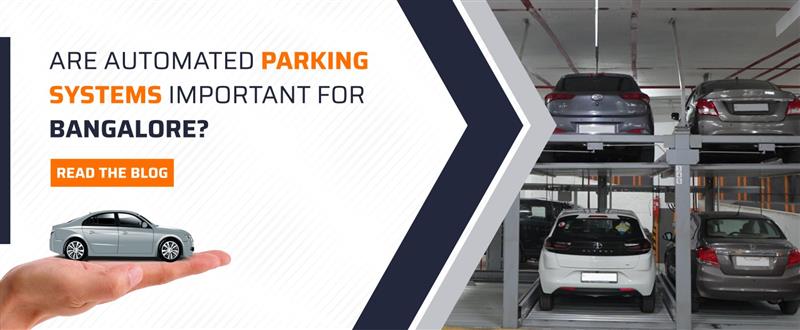
Are Automated Parking Systems Important for Bangalore?

Bangalore is one of the largest tech hubs in the sub-continent. It houses the world’s top companies, which attract a larger population to the city for its opportunities and culture. The rising population of Bangalore has given rise to some problems, including urban congestion, rising traffic obstructions, and shrinking spaces. This is where the automated parking systems like stack parking or tower parking come in. This type of multi-level parking system is designed to help park vehicles more efficiently, especially in places where space is limited.

This article is going to explain why the Automated parking systems like Stack parking is an excellent choice for Bangalore.

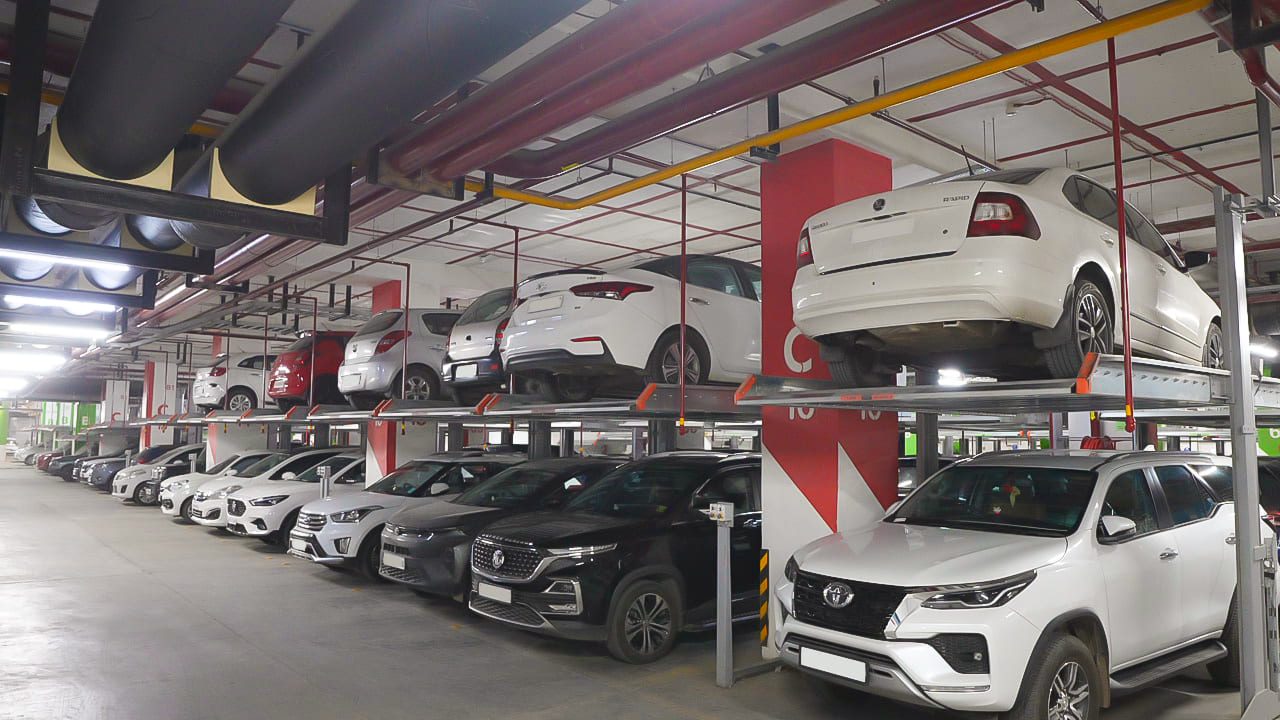
Stack parking is a modern, compact mechanical parking system that has the potential to help urban spaces transform for the better. In the stack parking system, the cars are parked both vertically and horizontally.

These parking systems are designed to help double or triple the parking spaces, be it above ground or underground. They help increase the parking capacity with the ability to use the height of the parking space instead of the ground space of a traditional parking space.

These stack parking spaces have reliable operations that can be easily customized based on the requirements of each parking space. The space-effective installation of the parking system can make it a good choice for cities like Bangalore.

Why Bangalore Needs a Stack Parking System?

Bangalore is already one of the biggest tier-1 cities in the country, and the large number of people coming to the city for opportunities is leading to a few problems, including:

  • Land scarcity is leading to rising real estate prices.
  • A car density of 823 vehicles per kilometer of road.

A rising car density and the scarcity of land lead to the question: Is there a solution that can help with the congestion and the shrinking spaces? The answer to it is the stack parking system. This particular multi-level car parking system is efficient for cities like Bangalore because, in comparison to traditional parking spaces, these utilizes the vertical and horizontal spaces of a parking area.

Moreover, this parking system also allows for multiple cars to be parked in the space. Simply put, where there was space for just one car, now two cars can be parked there. Stack parking systems help with a more efficient use of limited land in urban areas like Bangalore.

Benefits of the Stack Parking System

The stack parking system is especially designed to help eliminate the existing parking problems that exist in urban spaces like Bangalore. Some of the biggest benefits it offers are:

● Efficient Space Utilization
Since the parking system utilizes the vertical spaces, it can fit more cars in the same footprint as traditional parking spaces.

● Cost-Effective for Developers
One of the biggest benefits of this particular multi-level parking system is that it optimizes land use, in contrast to what is used in traditional parking, which can lower project costs.

● Convenient for Users
The stack parking solution is a convenient multi-level car parking for the end-user. Since it has both automatic and semi-automatic functionality, it reduces the effort it typically takes for someone to park in a traditional parking area.

● Scalable & Flexible
This parking solution is suitable for multiple parking areas, including malls, apartments, offices, and hospitals. Bangalore is a thriving IT hub in the country, with a growing working population in areas such as Indiranagar, Kormangala, and Whitefield, and an advanced, space-saving parking solution to help control the congestion.

● Advanced Security
Stack parking systems allow for more security for the vehicles that are parked. The safety can be ensured through features like anti-fall locks, weight sensors, and over-travel limit switches to prevent accidents. Not only this, the access to the parking solution’s movement is controlled through key cards and codes, which can eliminate reckless and random use of the parking solutions.

blg

Why Choose KLAUS Multiparking in Bangalore?

KLAUS Multiparking has been an innovator in multi-level parking solutions, including stack, puzzle, and other parking solutions. From the first semi-automated parking in 1988 and a fully automated parking solution in 1993, KLAUS Multiparking has more than 6 decades of experience in innovating secure, space-saving solutions. The parking solutions utilize German engineering and local expertise on the urban spaces of cities like Bangalore to deliver secure, future-ready parking solutions.

Stack parking systems in Bangalore from KLAUS Multiparking are an elegant way to help curb the urban congestion that is building in the city. As Bangalore develops more, it is going to attract a larger crowd of people coming to work, which is going to lead to more congestion in the city and parking systems. Those that can utilize both vertical and horizontal spaces in parking are crucial in creating more space. The stack parking system can help Bangalore reclaim space, reduce congestion, and move towards smarter urban living.

benefits of puzzle parking systems

Benefits of Puzzle Parking Systems for Residential Buildings

One of the major issues that urban spaces continue to face is congestion. A dearth of parking spaces that don’t require a lot of area can be attributed to the growing congestion. The shrinking spaces in many areas, including residential complexes, are hindering a seamless commute in urban movement. The need of the hour is a new mechanical parking system that helps one park safely and seamlessly without compromising on space. One such system is the puzzle parking solution, which has many benefits, especially for residential buildings. It is an elegant solution that requires much less space than traditional or multi-level car parking systems and helps the user park with ease.

Let us explore more about the puzzle parking solution and the key benefits it offers for residential buildings.

What is a Puzzle Parking System?

The puzzle parking system, like its name, works like one too. The parking system is made up of platforms that are arranged on multiple levels. These multiple platforms can then move either vertically or horizontally. This provides a key benefit in that it helps access a car without moving the other cars.


Puzzle parking

This particular multi-level parking system can have both autonomous and semi-autonomous operations. Thus, there are systems where there is no requirement for any dedicated parking attendant or operator, making it autonomous and seamless. 

Think of it like this, in this mechanical parking system, the multiple platforms shift horizontally and vertically whenever a car needs to be retrieved. This is different from another type of multi-level parking called stack parking, which can only move vertically

Let us explore some of the major benefits of the puzzle parking system for residential buildings.

Space Optimization in Urban Living

When it comes to urban living, the major challenge that anyone faces is the high density of cars, buildings, and cramped spaces, which leave them with limited parking spaces. One of the more efficient ways to deal with this congestion in urban living is the puzzle parking system.

One of the most notable features of this multi-level parking system is that it maximizes vertical space without encroaching on the already cramped urban area. Multiparking system companies like KLAUS Multiparking work with architects and building planners early in the development stage of a new property, or even retrofitting the system into a new property.

Convenience for Residents

Another benefit of these multi-level car parking systems for residential spaces is that their operation can be both automated and semi-automated. This means that the residents in the area don’t need to take as much effort to park. As opposed to traditional methods, where the retrieval and the parking had to be done entirely by the resident, this parking system automates the workload and helps reduce the time spent looking for a space.

Another benefit for the convenience of the residents is that the cars are retrieved safely and securely. This is more helpful, especially in bad weather where the cars are parked away from any adverse effects, irrespective of the weather conditions.

Superior Safety & Security

One of the major benefits that stand out for mechanical parking system is that of safety and security. Since the parking system can be autonomous and semi-autonomous, the movement is more controlled. This can lead to safer parking movements since there is less human error involved.

Another thing that leads to better safety and security of the vehicles is that the cars have their own specific spot, and they stay stationary. Without the frequent driving in and out, the risk of accidental injuries is greatly minimized.

Why KLAUS Multiparking?

KLAUS Multiparking offers a varied range of multi-level car parking solutions, including stack parking and puzzle parking solutions. These solutions have helped transform residential living in terms of ease of use, security, and space optimization. Puzzle parking can not only make the user’s life easier but also help with the growing urban congestion. 

puzzle-parking-system

What is a Puzzle Parking System and How Does It Work?

Urban congestion has long been a significant issue that people encounter during their daily commutes. Urban spaces continue to expand, but the area available to accommodate this growth remains limited. In an effort to combat this very problem, mechanical parking systems offer a very elegant solution. An array of solutions, including multi-level parking, stack parking, and modern puzzle parking, is now being implemented to help curb the growing congestion on roads. Among these technologies, Puzzle parking is coming out to be one of the most sought-after parking solutions that has immensely helped with the management of daily congestion faced by commuters.

Let us take a deeper look:

Puzzle Parking: A Modern Space Saviour

Simply put, a puzzle parking system is a type of mechanical parking system that utilizes a series of movements that are automated to park cars in an efficient manner. Unlike the stack parking system, which only uses vertical movements, this parking takes it up a notch. It uses both vertical and horizontal movements. If you are thinking about a giant puzzle in your mind, you’re on the right track. It is exactly like one, and thus the name fits perfectly.

This type of parking solution is ideal for areas where the land is scarce and the demand for space is quite high. No matter the type of setting or multi-level car parking, this parking is a novel solution to all the insufficient parking problems.

How Does the System Work?

The parking system works on a modern mechanism wherein it consists of a grid of platforms that is arranged in multiple levels. These platforms move horizontally and vertically, which essentially helps the car to be accessed without moving the other cars.

Puzzle parking systems do not require a dedicated parking attendant or operator.  Imagine it like this: when a car needs to be retrieved, the empty slots shift like puzzle pieces to create a path.

Some of the Key Benefits:

  • Reduced Land Requirement:
    One of the key benefits is that it is designed perfectly for high-density urban areas. It helps reduce the land requirements for setting up in residential buildings, commercial zones, and office spaces.
  • Space Optimization:
    This parking system, in comparison to other mechanical car parking systems, uses vertical and horizontal dimensions. This helps to multiply parking capacity on a small footprint.
  • Scalability:
    Another key benefit of this is that it can be installed in existing buildings or even new constructions that have flexible configurations.Some Ideal Use CasesThere are many ideal use cases for this. Some of them include:
  • Residential complexes
  • Office buildings
  • Hotels & malls
  • Hospitals
  • Airports or railway stations (in limited sections)
  • Redeveloped urban projects

As a part of their multiple product offerings, KLAUS Multiparking has successfully implemented the puzzle parking systems in various sectors throughout these ideal use cases.

Safety and Security: A Top Priority

Mr. Aditya Bhave, Director of KLAUS Multiparking Systems Pvt. Ltd., in a recent interview, highlighted that user safety is a non-negotiable for them. He emphasized that safety and security are paramount to them.

All of KLAUS Multiparking’s puzzle parking systems conform to an international standard of safety. This is ensured through several features, including:

  • Sensors to detect obstructions or irregular movements
  • Hydraulic controls to ensure stable platform motion
  • Locks and restricted access systems to prevent unauthorized use

These parking systems ensure a secure, reliable parking experience. This stands as one of the key reasons why puzzle parking systems are gaining trust across residential and commercial sectors alike.

Why Go for Klaus Multiparking?

Puzzle parking systems are not just a trend—they’re a necessity in the face of rising urban space demands. With their efficient design, scalability, and cost-effectiveness, they offer a practical solution to a growing challenge. At KLAUS Multiparking, we continue to drive innovation in this space, delivering smarter ways to park one puzzle piece at a time.

multilevel-car-parking

Why is Multi-Level Parking the Best Solution for Space Constraints?

Urban spaces are shrinking. The upward growth in population and the number of vehicles owned and driven can be attributed to how the urban sprawl is now diminishing. According to research, Mumbai has only 1.24 square meters of accessible open space per person. This is ahead only of Chennai, which stands at 0.81 square meters per capita. Such alarming data has called for a need for solutions to make more space available in urban areas. This is where Multi-Level Parking comes in.

What is Multi-Level Parking?

Multi-level parking is a novel, smart, space-saving solution that can help with the prevalent urban space crunch. The solution essentially lets the cars be parked on multiple levels; this can be above or below the ground. As opposed to the traditional parking space, which only uses horizontal spaces, this solution can park the cars vertically, making more space available for considerably more parking.

As opposed to traditional parking methods, where you have to find a spot and drive into it, Multi-level car parking solutions use much less time. The mechanical parking system works as follows:

  • The driver needs to park the car at a designated spot.
  • The system identifies the car and then automatically lifts it then it slides or rotates it into whichever slot is available.
  • Storage: Using a platform or pallets, the cars are stored vertically next to each other.
  • Retrieval: As soon as you’re ready to leave, the system brings your car back to the ground level, all within a few minutes.

Different Types of Multi-Level Parking

  • Stack parking

Stack Parking is a system where the cars are literally “stacked” above each other. This mechanical parking system typically has two or more levels where the platforms can move vertically.

This system of parking is a good fit for residential areas and for buildings where the spaces are tighter, with not heavy traffic.

  •  Puzzle parking

As the name suggests, in the puzzle parking system, the cars are parked in a “puzzle” like manner wherein they can move both horizontally and vertically.
When a car retrieval is needed, the platforms can rearrange themselves so as to bring the required car to the ground level. This type of system is ideal for high-traffic areas where the space is very constrained.

Key Advantages of Multi-Level Car Parking Solutions

There are some very pertinent advantages of using multi-level parking as opposed to traditional parking. These can range from making urban centers less cluttered to helping people find parking without any unnecessary hassle. Let’s take a deeper look:

Space Optimization

One of the biggest advantages of a multi-level parking system is that it helps optimize parking spaces much more efficiently. One of the biggest reasons behind its optimization of space is that it utilizes vertical space. The usage of vertical parking helps more cars fit into a narrow space. This technology can be used not only in residential areas, but also in commercial areas and public utilities like metros, airports, and railway stations.

Safety & Security

Another pertinent advantage of multi-level parking systems is safety and security. The mechanical parking systems of well-designed multi-level parking systems adhere to global safety standards. KLAUS Multiparking, for example, includes sensors, locks, and hydraulic controls that prevent misuse and help ensure that only authorized personnel can operate them.

Less Fuel Wastage

Another very visible impact of multi-level car parking is that it enables less fuel consumption. The equation here is quite simple: the less time you spend roaming around looking for parking, the more fuel you will spend. Multiple types of parking systems, including puzzle parking and stack parking, has enabled everyone from the daily commuter to the occasional driver to find a parking space without using any more fuel than necessary.

KLAUS Multiparking: Leading the Change
Since 2002, KLAUS Multiparking has ensured that Indian cars don’t see a dearth of space. Now, with our IoT integration and EV-ready systems, we are taking the leap ahead in the future of advanced Multi-level car parking solutions. Our collaborative approach with architects and developers in the early stages of a project enables us to curate solutions for specific needs. We are ensuring efficient and future-ready systems that you can rely on.