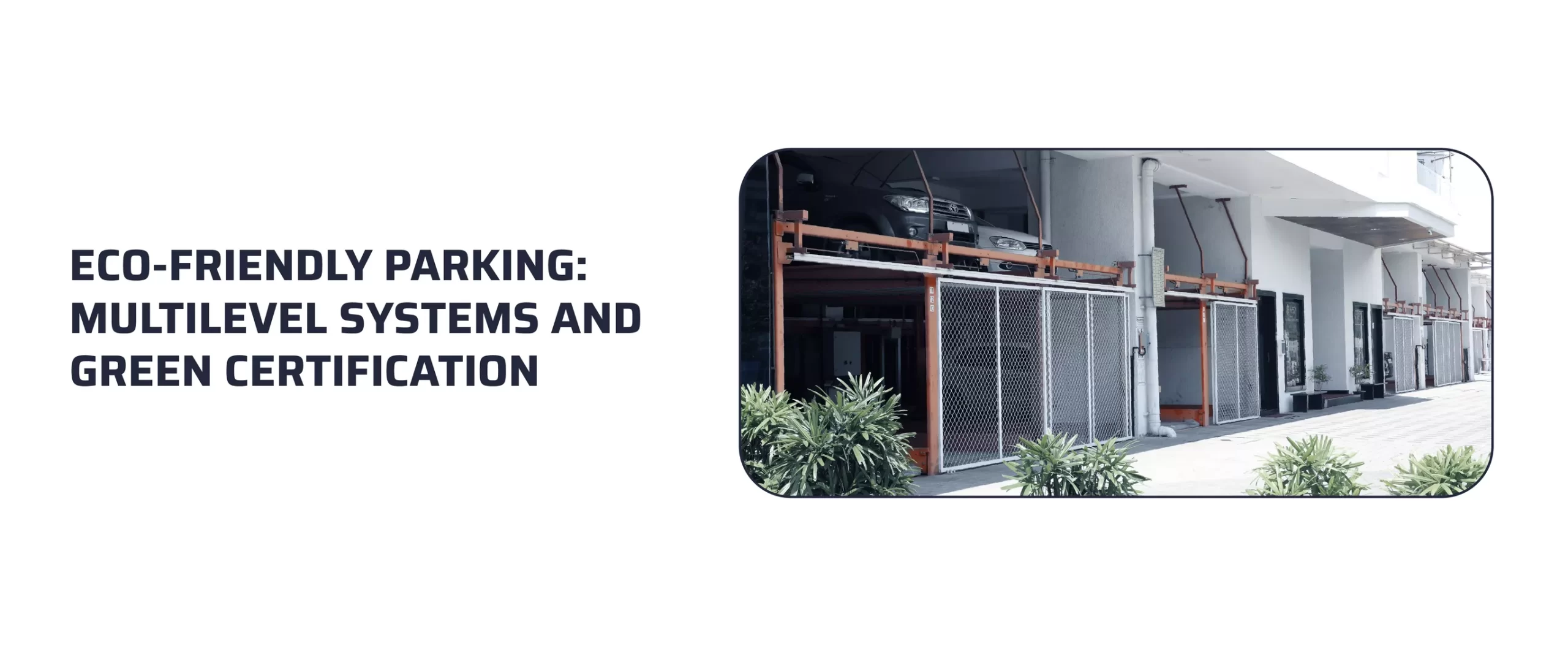
Eco-Friendly Parking: Multilevel Systems and Green Certification

Multilevel Car Parking Systems are innovative solutions designed to optimize limited urban space by providing multiple parking levels stacked vertically. In the face of rapid urbanization and the growing need for sustainable infrastructure, these parking systems have gained prominence due to their positive impact on the environment. 

Green Building Certification, such as LEED (Leadership in Energy and Environmental Design), plays a crucial role in promoting sustainable practices and recognizing developments that meet high environmental standards. 

The Role of Multilevel Car Parking Systems in Green Building Design

Green building certification programs like LEED (Leadership in Energy and Environmental Design) have become paramount in driving sustainable development. By implementing sustainable design principles, parking systems optimize space usage and energy efficiency, reducing their overall environmental impact. 

Compared to conventional parking lots, multilevel car parking systems significantly contribute to sustainable parking solutions by curbing urban sprawl and preserving green spaces. These structures are engineered with eco-friendly materials, energy-efficient lighting, and ventilation systems, making them an essential component of energy-efficient parking design.

Energy Efficiency and Renewable Energy Integration

With the integration of renewable energy sources, such as solar panels, eco-friendly parking structures contribute to reducing the carbon footprint and promoting sustainable practices. By generating renewable energy on-site, they demonstrate a commitment to energy efficiency and sustainable urban development. Moreover, these parking facilities feature energy-efficient lighting and ventilation systems, utilizing smart technologies for optimal energy consumption. 

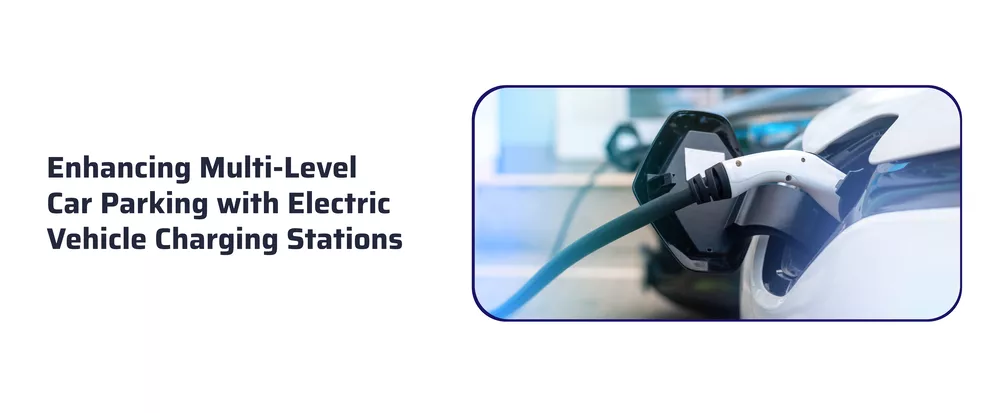
Electric vehicle (EV) charging stations in Multilevel Car Parking Systems

The provision of electric vehicle (EV) charging stations in Multilevel Car Parking Systems plays a crucial role in obtaining green building certification as they solidify these structures as sustainable parking solutions and eco-friendly parking structures. With the rising popularity of electric vehicles, integrating EV charging infrastructure demonstrates a proactive approach towards reducing carbon emissions and promoting sustainable transportation options.

By offering EV charging facilities, multilevel car parking systems encourage the adoption of electric vehicles, which results in a decreased reliance on traditional fuel-powered cars. This aligns perfectly with the objectives of green building certification, which emphasizes sustainable practices and environmental stewardship.

Green Credentials Pay Off: Financial Implications of Green Building Certifications in Parking Design

LEED and other green building certification programs place considerable emphasis on specific points related to parking structures, recognizing their significance in sustainable development. One such key aspect is the integration of energy-efficient and eco-friendly design elements. 

The long-term financial benefits of earning green innovation points in certifications are equally compelling. By meeting the rigorous sustainability criteria, developers can attract environmentally conscious tenants, businesses, and customers, enhancing the property’s marketability.

Lower operating costs through energy efficiency measures and reduced resource consumption contribute to long-term cost savings and increased profitability. Moreover, sustainable and certified parking structures may qualify for tax incentives and rebates, further bolstering their financial viability.

Multilevel Car Parking Systems present a visionary answer to our urbanizing world. Their exemplary environmental contributions have earned well-deserved recognition from prestigious Green Building Certifications, spotlighting their energy-efficient design and seamless integration of renewable technologies. Notably, the financial rewards of earning green innovation points extend far into the future, attracting environmentally conscious stakeholders and unlocking potential incentives. In India, Klaus Multiparking leads the way in eco-friendly multilevel parking solutions. 

Embrace sustainable infrastructure and shape a greener, more environmentally responsible future with Klaus Multiparking’s cutting-edge car parking systems.

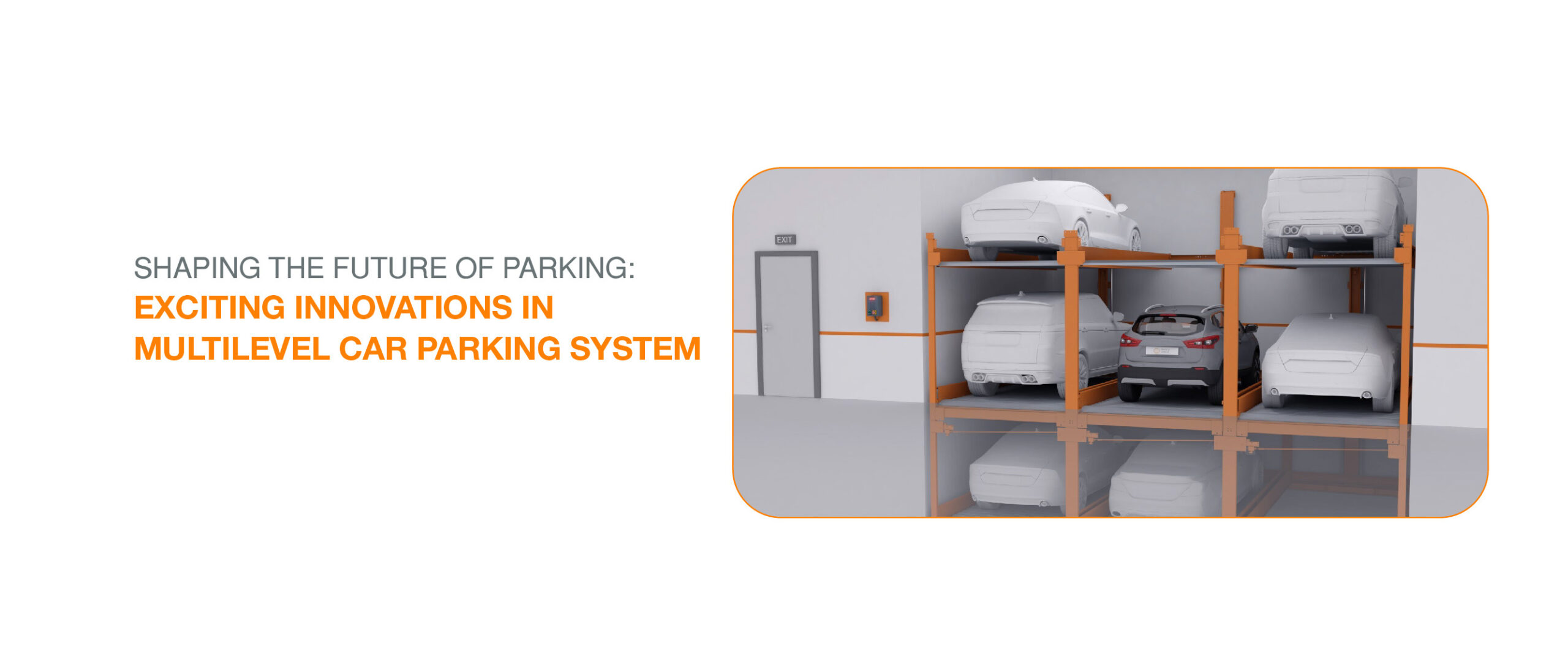
Shaping the Future of Parking: Exciting Innovations and Developments in Multilevel Car Parking Systems

Shaping the Future of Parking: Exciting Innovations and Developments in Multilevel Car Parking Systems

Efficient multilevel car parking solutions are increasingly critical in modern cities where limited space and the escalating number of vehicles pose significant challenges. Traditional parking methods struggle to meet the growing demand, leading to congestion and frustration. Enter multilevel car parking systems, a cutting-edge solution that maximizes space utilization by incorporating vertical expansion. These innovative systems address the pressing need for increased parking capacity while offering enhanced convenience and sustainability.

In the near future, we can expect a range of innovative advancements that will redefine the landscape of multilevel car parking systems. These anticipated developments will make parking more efficient, sustainable, and user-friendly. Here are some of the exciting innovations on the horizon:

Robotic Valet Parking Systems

Robotic valet parking systems will revolutionize the parking experience by leveraging advanced robotics and artificial intelligence. These systems will enable autonomous parking and retrieval of vehicles, eliminating the need for human drivers. Through the integration of sensors, cameras, and sophisticated algorithms, robotic valets will be able to navigate car parking systems, identify available parking spaces, and precisely maneuver vehicles into designated spots. They will optimize space utilization by efficiently stacking vehicles and maximizing the number of parking spots within a given area. Additionally, by removing human drivers from the equation, the risk of accidents and damages to vehicles due to human error will greatly reduce.

Automated Guided Vehicle Systems

Automated Guided Vehicle (AGV) systems will revolutionize automatic car parking systems with streamlined processes and seamless integration. AGVs navigating car parking systems are expected to independently, and efficiently allocate space by identifying available spots and maneuvering vehicles precisely. This optimization will maximize parking capacity within a given area, ensuring efficient use of the facility. AGV integration will reduce congestion as multilevel car parking and retrieval processes will operate smoothly. Drivers will just have to drop off vehicles at designated zones, allowing AGVs to handle parking tasks, eliminating the time spent searching for parking, and improving traffic flow. AGVs will offer convenience, easing navigation in crowded lots and reducing human errors that could lead to accidents or damages.

Integration with Mobility Services

The integration of multilevel parking systems with mobility services, specifically autonomous vehicle (AV) parking, and integration with self-driving car services, will bring an enormous transformation. With AV parking, self-driving cars will navigate parking structures independently, optimizing parking efficiency and maximizing capacity. Integration with self-driving car services will allow users to conveniently drop off their vehicles in designated areas, enabling seamless connections between parking facilities and transportation networks. This integration will pave the way for a future where parking and mobility services work in harmony to provide efficient and user-friendly transportation experiences.

Innovations and future developments in multilevel parking systems play a crucial role in shaping the parking industry and addressing the challenges faced in urban areas. These advancements will bring about more efficient, sustainable, and user-centric parking solutions that are essential for the future of our cities.

At Klaus Multiparking, we are committed to leading the way in redefining parking solutions. Our dedication to innovation and continuous improvement drives us to embrace emerging technologies and explore new possibilities in the parking industry. We strive to create cutting-edge multilevel car parking systems that optimize space utilization, enhance convenience, and integrate seamlessly with the evolving mobility landscape. Discover how Klaus Multiparking can efficiently transform your parking space, email us at:

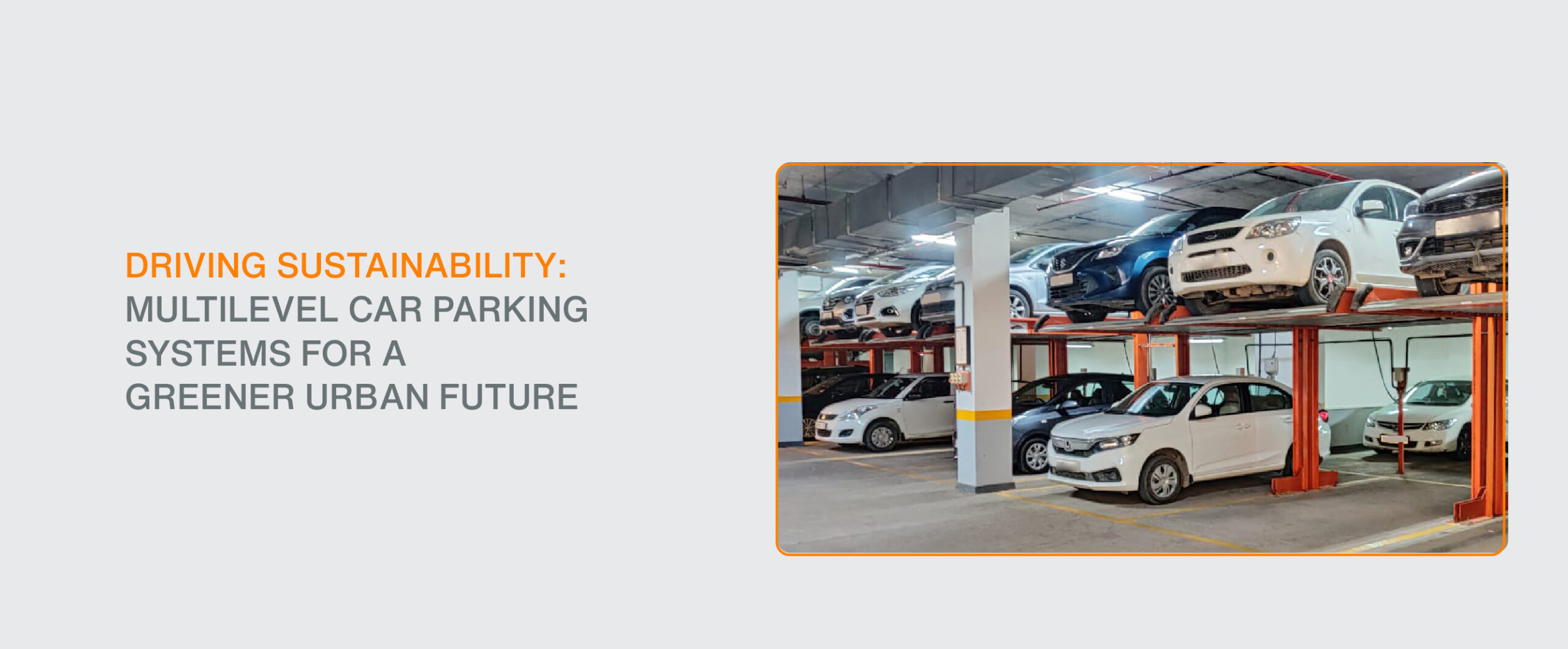
Driving Sustainability: Multilevel Car Parking Systems for a Greener Urban Future

Driving Sustainability: Multilevel Car Parking Systems for a Greener Urban Future

As cities continue to experience rapid urbanization, the demand for parking spaces has escalated, posing challenges such as land scarcity and environmental impact. In response, multilevel car parking systems have emerged as a sustainable solution that optimizes space utilization while addressing the pressing need for eco-friendly practices in the parking industry. Let’s delve into the concept of multilevel car parking solutions and their relevance in urban areas, shedding light on their potential to accelerate sustainability.

Understanding Multilevel Car Parking Systems

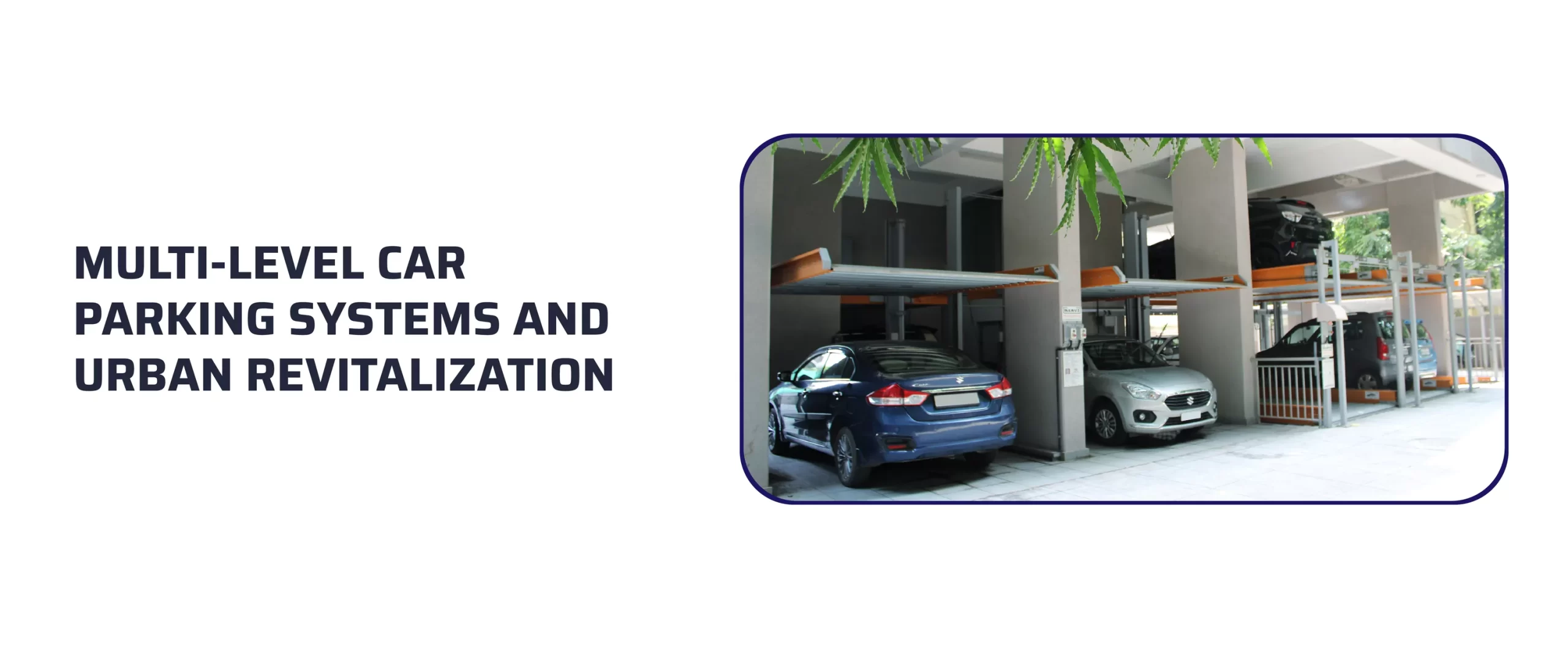
Multilevel parking systems are innovative solutions that revolutionize the way parking spaces are utilized in urban areas. Unlike traditional parking lots, which consume extensive horizontal space, multilevel car parking systems efficiently utilize vertical space by stacking vehicles on multiple levels within a compact footprint.
The basic concept of multilevel parking systems involves the vertical stacking of vehicles using ramps, lifts, or automated mechanisms. This design allows for a higher density of parked vehicles within a smaller physical area, making more efficient use of limited land resources.

Promote Environment Sustainability through Multilevel Car Parking Systems

By optimizing space, multilevel car parking systems free up valuable lands for other purposes, such as green spaces, parks, gardens, or recreational areas, contributing to sustainable urban planning. This not only enhances the aesthetics of urban areas but also contributes to biodiversity, improves air quality, and provides spaces for community engagement and relaxation.
The automatic car parking systems help alleviate traffic congestion by optimizing parking capacity. With more efficient use of parking spaces, drivers spend less time circling around for a spot, reducing traffic volume and smoother flow. This leads to improved air quality, as fewer idling vehicles emit fewer pollutants, mitigating the negative impact on local air quality and public health.

Integration of Sustainable Technologies

In addition to their spatial advantages, multilevel parking solutions can be further enhanced by integrating sustainable technologies. One such technology is the incorporation of electric vehicle (EV) charging infrastructure. The inclusion of EV charging infrastructure in automatic car parking systems enables drivers to conveniently charge their vehicles while they are parked. This helps address one of the key challenges of EV adoption, which is access to reliable charging infrastructure. By providing EV charging facilities in parking areas, cities and communities can encourage more people to switch to electric vehicles, reducing greenhouse gas emissions.
Furthermore, intelligent parking technologies can be integrated into automatic car parking systems to improve efficiency. Real-time monitoring systems can provide drivers with accurate information about available parking spaces, reducing the time spent searching for a spot and minimizing traffic congestion.

It is crucial for urban planners, policymakers, and communities to embrace and support the adoption of multilevel parking solutions. By prioritizing these sustainable parking solutions, cities can overcome the challenges associated with land scarcity, environmental impact, and increasing vehicle numbers. Supporting the implementation of multilevel car parking systems and advocating for the integration of sustainable technologies will contribute to building greener and more sustainable urban environments for future generations.

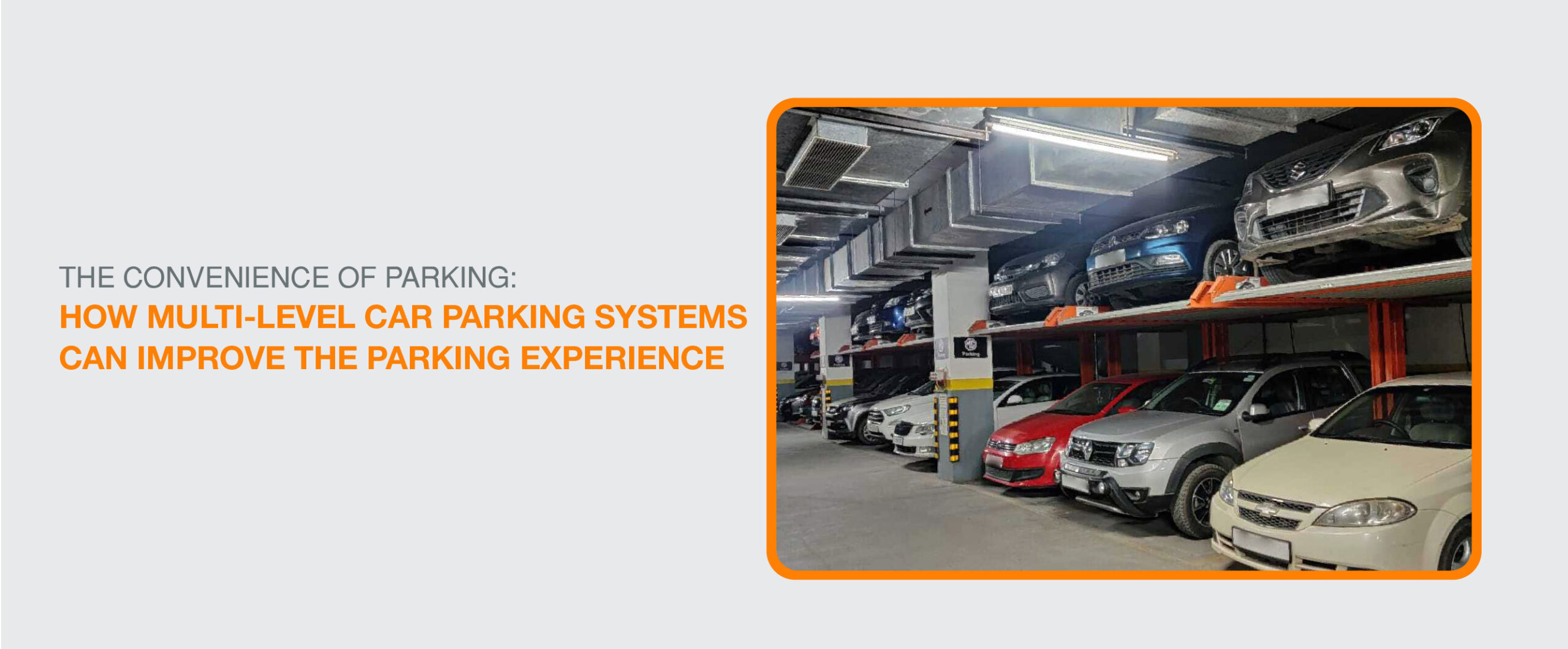
The Convenience of Parking: How Multi-Level Car Parking Systems Can Improve The Parking Experience

The Convenience of Parking: How Multi-Level Car Parking Systems Can Improve The Parking Experience

Parking is an essential aspect of our modern transportation infrastructure, and with the increasing number of vehicles on the roads, it has become more important than ever to find innovative ways to accommodate them. Multi-level car parking systems have emerged as an excellent solution to this problem, offering greater convenience, efficiency, and security to drivers.

One such innovative company is Klaus Multiparking, a global leader in the design and manufacture of multi-level car parking systems. These systems utilize the latest technologies and engineering to create efficient and user-friendly parking solutions that make a significant difference in our daily lives.

Here are some of the ways multi-level car parking systems from Klaus Multiparking can improve the parking problems:

Perfect Space Management: With the growing number of vehicles on the road, space has become a significant constraint in urban areas. Multi-level car parking systems help overcome this issue by utilizing vertical space, rather than horizontal space. By stacking vehicles on top of each other, these systems can accommodate more cars in the same amount of space. Klaus Multiparking’s car parking systems are designed to fit any available space, from small areas to large commercial complexes.

Convenience and Ease: Multi-level car parking systems offer greater convenience to drivers as they can park their vehicles in a secure and designated space without the hassle of searching for a parking spot. Klaus Multiparking’s systems offer automated parking solutions that allow drivers to simply drive in and out of the system without having to worry about navigating narrow ramps or tight corners.

Parking in multi-level car parking systems is safer and more secure than on-street parking. Drivers no longer need to worry about vandalism, theft, or accidental damage to their vehicles. Klaus Multiparking’s systems offer advanced security features, such as access control systems, CCTV cameras, and fire protection systems, ensuring maximum safety for both vehicles and users.

Better for Environment: Multi-level car parking systems are environmentally friendly compared to traditional parking solutions. By utilizing vertical space, they reduce the need for additional land to accommodate parking spaces. This helps to conserve natural resources, reduce pollution, and promote sustainable development.

Cost-Effective: Multi-level car parking systems are cost-effective compared to traditional parking solutions. They require less maintenance and offer a longer lifespan, making them a more cost-effective investment in the long run. Klaus Multiparking’s systems are designed with durable and high-quality materials, ensuring longevity and minimizing maintenance costs.

In conclusion, multi-level car parking systems from Klaus Multiparking offer numerous benefits over traditional parking solutions. They optimize space, offer greater convenience, improve safety and security, promote sustainability, and are cost-effective. These systems are an innovative solution to the parking challenges faced by drivers and urban planners alike. In today’s world, parking has become a critical component of our daily lives, and the ever-increasing number of vehicles on the roads has made it more challenging than ever to find a suitable parking space. Fortunately, multi-level car parking systems, such as those offered by Klaus Multiparking, have emerged as a convenient and efficient solution to this problem. With space optimization, greater convenience, enhanced safety and security, environmental friendliness, and cost-effectiveness, these systems offer numerous benefits over traditional parking solutions.

Klaus Multiparking’s innovative and high-quality car parking systems are designed to fit any available space, ensuring maximum efficiency and user-friendliness. By investing in multi-level car parking systems, we can overcome the parking challenges of our modern world, and ensure a more sustainable, secure, and convenient future for all.

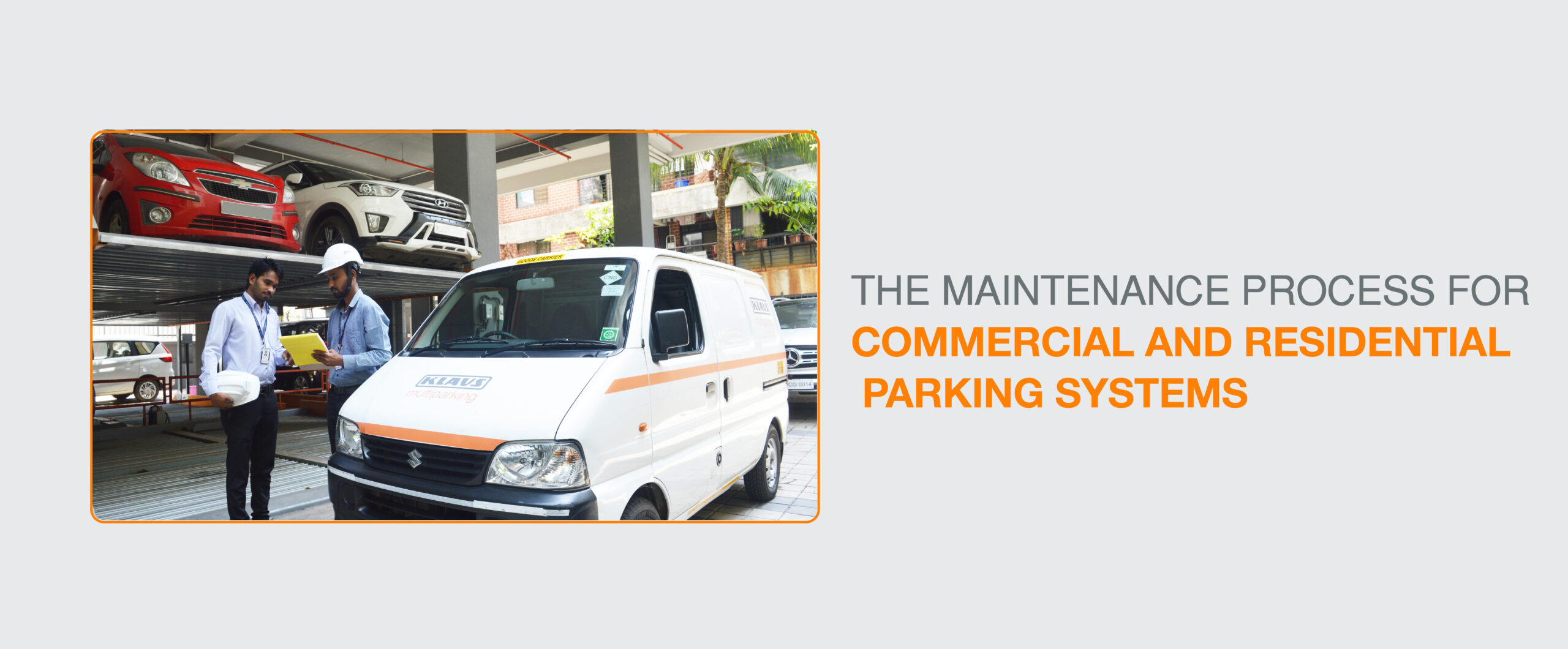
The Maintenance Process for Commercial and Residential Parking Systems

The Maintenance Process for Commercial and Residential Parking Systems

As cities and urban areas grow, the demand for parking spaces continues to increase. Commercial and residential parking systems play a vital role in addressing this demand, providing safe and efficient parking solutions for individuals and businesses. However, like any other equipment or facility, parking systems require regular maintenance to ensure their proper functioning and longevity.

Maintenance of commercial and residential parking systems is almost the same and involves a series of tasks that should be carried out regularly by trained professionals. These tasks can range from simple cleaning and lubrication to more complex repairs and replacements. Here are some of the essential maintenance processes for commercial and residential parking systems:

Cleaning and Lubrication: Regular cleaning and lubrication of the parking system’s components, such as rails, chains, and gears, can help prevent wear and tear and improve their performance.

Inspection: Regular inspections can help identify potential issues before they become significant problems. Inspections should cover all components of the parking system, including the motors, control systems, and safety mechanisms.

Repairs and Replacements: Any identified issues should be addressed promptly through repairs or replacements. This may involve replacing worn-out parts or adjusting the system’s settings to ensure it is functioning optimally.

Safety Checks: Regular safety checks should be carried out to ensure that the parking system is operating safely and meets all necessary safety standards.

Cleaning and Maintenance of Surrounding Areas: The surrounding areas of the parking system, such as the entry and exit points, should also be regularly maintained to ensure they are clean and free of debris that may impede the system’s operation.

Regular maintenance of commercial and residential parking systems is crucial to their efficient and safe functioning, and neglecting maintenance can lead to significant problems that may be costly to fix. That’s why it is essential to choose a reliable and experienced parking system provider who can provide high-quality maintenance services.

Multilevel parking systems are complex machines that contain several components that can wear out or become damaged over time. These components need to be replaced regularly to ensure that the parking system continues to function efficiently and safely. Components that require replacement include cables, pulleys, gears, and motors.

Safety checks are an essential part of the maintenance process for multilevel parking systems. The parking system’s safety features, such as emergency stop buttons, safety barriers, and sensors, must be checked regularly to ensure they are working correctly. Professionals also check for any signs of wear or damage to these safety features. Testing the parking system’s performance is an essential part of the maintenance process. This testing involves checking the system’s mechanical components, electrical systems, and safety features to ensure they are working correctly. Professionals perform tests regularly to ensure the parking system is operating efficiently and safely. Preventive maintenance is the best way to ensure the longevity and safety of multilevel parking systems. This type of maintenance involves regular inspections and maintenance to prevent issues from arising in the first place. Preventive maintenance can include regular cleaning, lubrication, and testing of the system’s mechanical components, electrical systems, and safety features.

Conclusion

In conclusion, regular maintenance is essential to ensure the safe and efficient operation of commercial and residential parking systems. Klaus Multiparking’s commitment to customer service is unmatched. We offer 24/7 support to our customers, and our highly qualified and professional technicians are always available to address any questions or concerns that customers may have. This level of customer service helps to ensure that the customers are satisfied with their parking systems and the maintenance services provided.

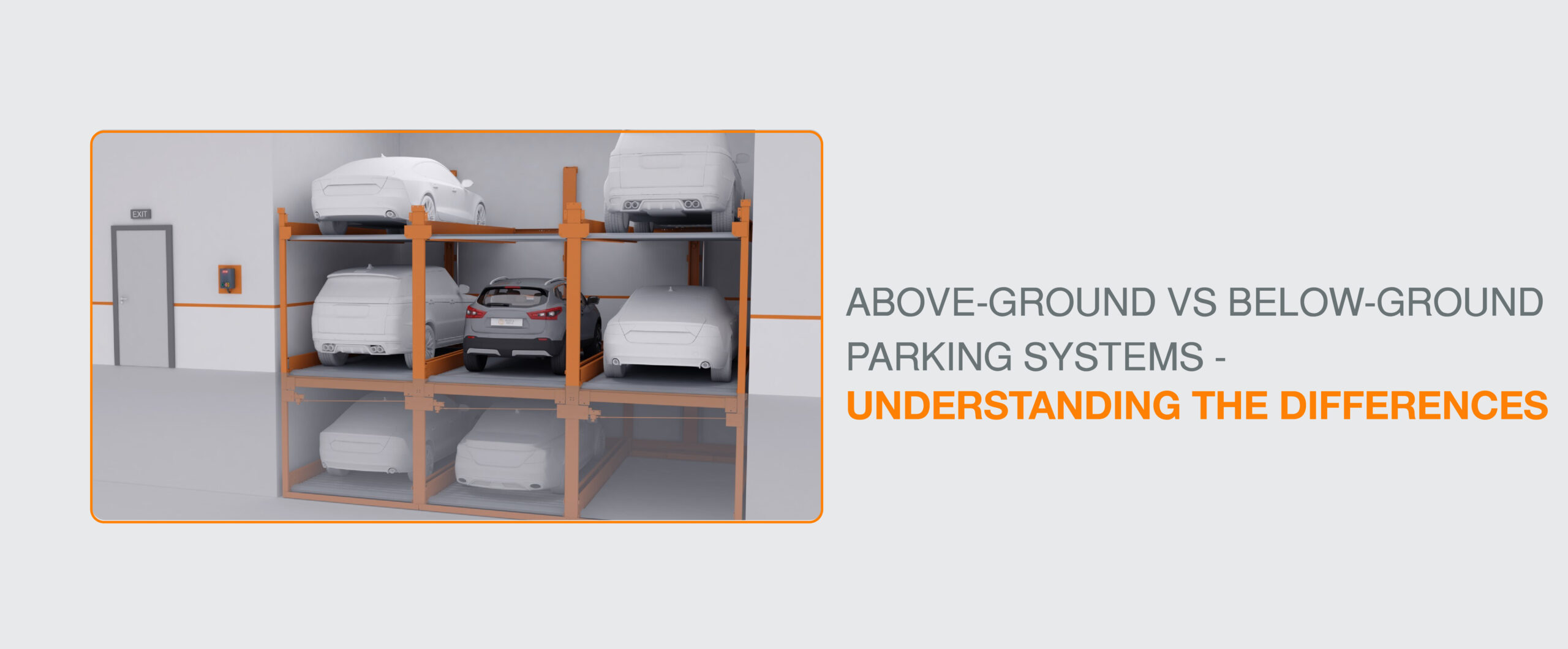
Above-Ground vs Below-Ground Parking Systems Understanding the Differences

Above-Ground vs Below-Ground Parking Systems Understanding the Differences

When it comes to car parking, there are various options available such as surface parking lots, multilevel car parking structures, and underground parking solutions. In this blog, we will be focusing on the differences between above-ground and below-ground parking systems.

Introduction

Parking systems have come a long way in recent years, with new technologies and designs making parking more convenient and efficient. Above-ground and below-ground parking systems are two of the most common types of parking solutions. While both systems serve the same purpose, they differ in many ways, including their construction, cost, and benefits.

Above-Ground Parking Systems

Above-ground parking systems are those that are built on the surface or on a raised platform. They are usually multilevel parking structures with multiple levels of parking spaces, accessed through ramps or lifts.

Multilevel car parking, also known as stack parking, is a popular type of above-ground parking system. It utilizes a structure that enables cars to be parked on multiple levels. These structures can be erected quickly and are cost-effective. One of the benefits of this type of parking system is that it can be customized to suit the needs of the user. This multilevel automatic car parking system uses a combination of mechanical, electrical, and computer technologies to park and retrieve vehicles. Automated parking systems can be built on a smaller footprint than conventional parking structures, providing efficient use of space.

Advantages of Above-Ground Parking Systems

Above-ground parking systems have their own set of advantages. One of the key benefits is that they are typically more accessible and visible than below-ground parking systems. Users can easily spot the parking structure and access it from the street level, making it convenient and easy to find. Another advantage of above-ground parking systems is that they can be designed to match the aesthetic of the surrounding area. The structure can be designed to blend in with the surrounding buildings and landscape, creating a more cohesive look for the area.

In addition, above-ground parking systems can be constructed more quickly than below-ground parking systems, which can be beneficial for projects with tight deadlines. They also tend to be more cost-effective than below-ground parking systems, as they require less excavation and construction work.

Below-Ground Parking Systems

Below-ground parking systems are constructed underground, typically beneath a building or a public space. These types of parking systems are becoming increasingly popular due to the scarcity of available surface land and the need to maximize space utilisation. Multi-level parking structures are also used in below-ground parking solutions. These structures are typically constructed using reinforced concrete or steel and can be built to accommodate multiple levels of parking. The use of ramps or lifts enables cars to be parked on multiple levels, similar to above-ground parking structures.

Advantages of Below-Ground Parking Systems 

One of the main advantages of below-ground parking solutions is improved security. Since the parking is underground, it is typically more secure than surface parking lots or above-ground parking structures. Additionally, since below-ground parking solutions are protected from the elements, vehicles are not exposed to harsh weather conditions such as extreme heat or heavy rain. Another advantage of below-ground parking solutions is that they can be integrated with the building or public space above. For example, a below-ground parking solution can be built beneath a park or plaza, enabling visitors to park their vehicles conveniently while maintaining the aesthetic appeal of the space above.

Choosing the Right Parking System

The choice of which parking system to use will depend on a variety of factors, including space availability, cost, and security concerns. Whether you are looking to construct a multilevel parking structure, an automated parking system, or a below-ground parking solution, it is important to work with a professional parking consultant to ensure that your parking needs are met.

Working with a Professional Parking Consultant

Our professional parking consultant can help you design a parking system that is customized to your needs and can assist with everything from parking layout and design to traffic flow and safety. With their expertise, you can ensure that your parking system is efficient, cost-effective, and secure.

Conclusion 

Above-ground and below-ground parking systems each have their advantages and disadvantages. By understanding the differences between the two types of parking systems, you can choose the one that best fits various aspects of the project including site characteristics, project goals, and budget constraints. By carefully considering these factors, you can choose the right parking system for your needs and ensure a smooth and efficient parking experience for your customers or visitors.

Understanding the Key Differences in Commercial vs Residential Multi-Level Parking Systems

Understanding the Key Differences in Commercial vs Residential Multi-Level Parking Systems

Imagine a world where parking is a breeze, even in the busiest of cities. That’s the beauty of multilevel parking! Think of it as a high-rise building, but for cars. Multiple levels stacked on top of each other provide ample space for vehicles to park, maximizing the number of spaces in a limited area.

With multilevel parking, there’s no need to endure the scorching heat or drenching rain. It makes the car-to-destination journey a lot more pleasant.

In big cities, space is a precious commodity. And, with more people and vehicles on the road, finding a parking spot can feel like winning the lottery. But, with multilevel parking, people have a better chance of winning that prize.

Why do both residential and commercial buildings need multilevel parking in big cities?

Both residential and commercial parking in big cities needs multilevel parking because of the limited parking space available. In big cities, the demand for parking spaces is high, and there is limited space available for new parking lots or garages. Multilevel parking systems offer a solution to this problem by allowing for the creation of more parking spaces in the same physical footprint as a traditional parking lot.

Multilevel car parking systems also offer other benefits, including increased safety and security, improved traffic flow, and increased revenue generation for commercial properties. For residential properties, multilevel parking can provide a convenient and secure parking option for residents and visitors, while freeing up valuable outdoor space for other uses.

Differences between commercial and residential multi-level parking systems depend on various factors. Some of those factors are explained below: 

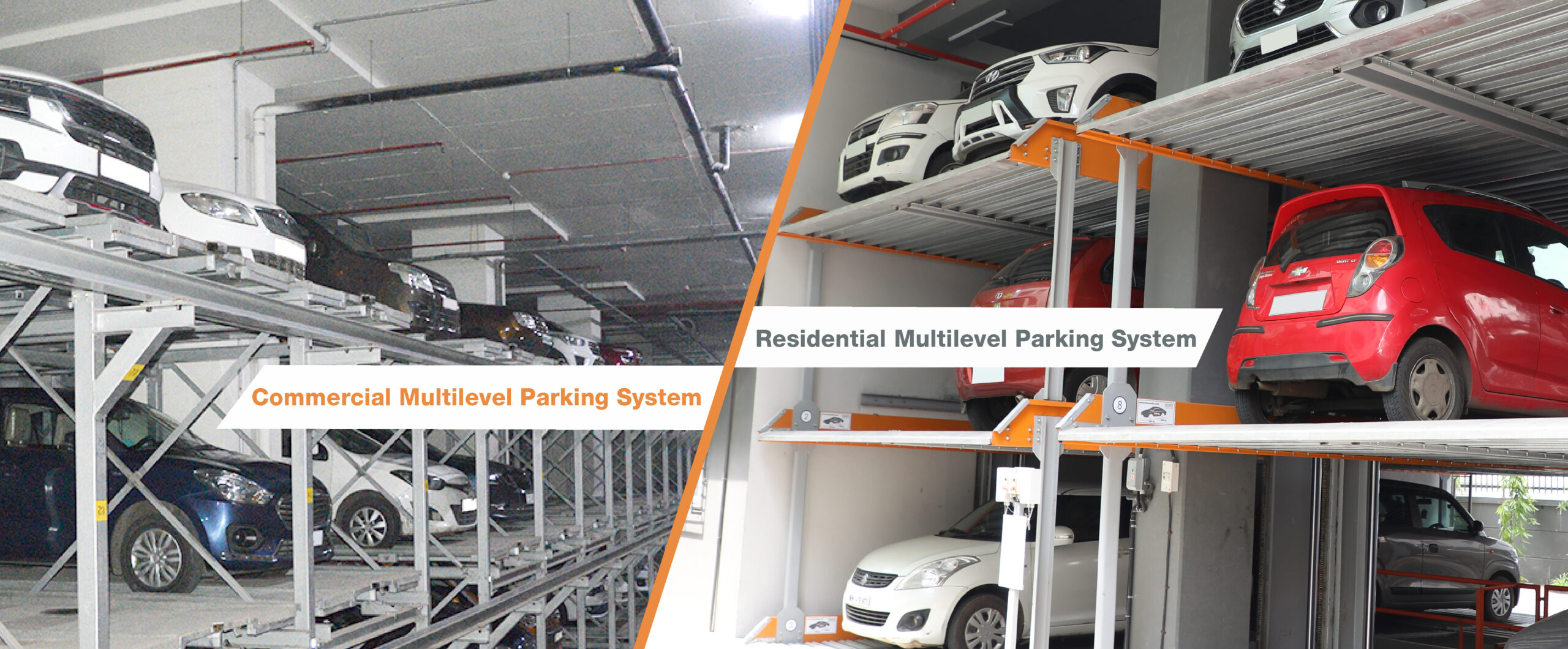
Needs of the target audience: Commercial multi-level parking systems are designed to accommodate large numbers of vehicles in a busy urban environment, while residential multi-level parking is designed to provide convenient and secure parking for residents and their guests.

Capacity: Commercial multi-level parking lots often have more spaces to accommodate a larger number of vehicles, while residential multi-level parking systems tend to have fewer spaces to fit the parking needs of residents.

Design and layout: Commercial multi-level parking systems are designed with a focus on efficient traffic flow and quick access, often with wider aisles, steeper ramps, and higher stacking. Residential multi-level parking systems prioritize accessibility, safety, and convenience for residents, often with more gradual ramps, lower stacking, and closer proximity to residential units.

Additional features: Commercial multi-level parking systems may offer features like valet parking, electric car charging stations, and 24-hour surveillance, while residential multi-level parking systems may have features like security cameras, gated access, and designated parking spaces for residents.

Maintenance and upkeep: Commercial multi-level parking systems require regular maintenance and upkeep to ensure smooth operation, while residential multi-level parking systems may have less frequent maintenance requirements but may require more attention to safety and security issues.

Cost and revenue generation: Commercial multi-level parking systems may generate revenue through parking fees, while residential multi-level parking is often provided as a part of the building amenities for residents, without a separate fee.

Regulations and requirements: Both commercial and residential multi-level parking systems are subject to local regulations and safety requirements, but the specifics may differ depending on the location and intended use of the parking facility.

Both commercial and residential multi-level parking systems offer solutions to limited parking space in big cities, but the differences between the two types of systems lie in the design, capacity, features, and regulations, all tailored to meet the specific needs of the target audience.

If you’re looking to implement a highly efficient multilevel car parking system, Klaus Multiparking can help. Klaus Multiparking is one of the leading multilevel car parking system manufacturers in India. With experience in designing and manufacturing state-of-the-art parking solutions, Klaus Multiparking offers customizable solutions to meet the unique needs of your property. From providing increased safety and security to maximizing revenue generation, Klaus Multiparking has the expertise to help you create a multilevel car parking system that fits your specific requirements.

A Residential Multilevel Car Parking System For Area Optimization

Many cities have turned to residential car parking systems to help with the problem of locating parking spaces and satisfy the needs of their residents and visitors. Since multilevel car parking works best to optimize the space, it solves many issues related to the shortage of enough space to park, saving a lot of time and effort for the vehicle user. The best thing about the residential car parking system is that it helps you find and reserve a parking space before you actually get to the parking space.

Can parking management affect the whole community?

Parking management is the process of planning, developing, operating, monitoring, and maintaining parking facilities. A well-planned parking management scheme allows for a smooth flow of traffic, improved safety, achieving a high level of customer satisfaction, and promotes sustainability. Parking management is an essential part of an effective transport management strategy, as well as being an integral part of a structure for a planned community.

Today, efficient and systematic car parking management is of major importance for the harmony of any urban community.

How can a proper car parking solution help with the optimization of the area?

Multilevel car parking systems can help optimize the use of space in a number of ways. One way is by using a stack parking system, in which cars are parked on top of each other in a vertical configuration. This can effectively double or triple the number of cars that can be parked in a given area.

Another way is by using fully automatic car parking systems to park and retrieve cars. This can allow for more efficient use of space, as the robots can park cars in tighter configurations than humans could.

In residential buildings, puzzle parking systems can also be useful for optimizing space, as they allow for more cars to be parked in a smaller area.

These multilevel car parking systems also help to reduce the amount of time and effort required to park and retrieve a vehicle, which can be a major convenience for residents.

What other benefits do residential car parking systems offer?

The residential multilevel car parking offers various benefits like increased parking safety, environment-friendly, sustainability, and so on. In big cities where the land is expensive and the population is high, multi-parking systems are in much higher demand.

The multilevel parking is also safer as the cars are parked in a covered and secure area. Moreover, they are also environment friendly as they reduce the need for concrete and asphalt surfaces which can absorb heat and cause the surrounding area to be hotter.

Multilevel car parking makes it easier for people to find a parking spot and reduces the amount of time wasted in looking for a space. It is also more aesthetically pleasing than a regular parking lot because it is typically better designed and can be built to blend in with the surrounding area.

Klaus Multiparking— A solution for a perfect parking system

For nearly 50 years, Klaus has been manufacturing and delivering top-notch parking systems and related services to clients all over the world. We use German engineering, years of experience, and technological expertise to deliver quality products and services that our clients can rely on.

A plethora of cities across the globe have leveraged the exceptional parking systems and services from Klaus, and we’re proud to say that our products are always state-of-the-art.

We have a wide range of Multilevel parking products and services to improve vehicle users’ experience and save their time, maximize the utilization of area while also reducing the carbon footprint. We also offer EV charging facilities to ensure that your vehicle is always ready to go.

Along with optimizing space to its maximum utilization, the residential multilevel car parking system is a community solution that solves a universal parking problem while improving the quality of life.

How Multilevel Car Parking System Helps Area Optimization

Parking has created a nuisance among vehicle owners as it has really become harder to find safe parking spots in significant metropolitan cities of India. Both commercial and residential parking spaces are getting cluttered day by day. The extraordinary expansion in the number of personal automobiles, along with disorganised road infrastructure, has made cities a hotspot for overcrowding, traffic congestion, and general parking anxiety. Therefore, parking plays an important role in transportation and urban development. Because of the paucity of parking spots in metropolitan locations, it is critical to develop a parking solution to alleviate traffic congestion, particularly around airports, railway stations, business hubs, stadiums, big hospitals, retail centres, and so on.

On-street parking is a common occurrence in practically all Indian cities, large and small, due to the lack of designated parking spots. Not just business or transportation centres, but numerous residential communities frequently encounter parking shortages with daily footfall in the thousands.

There are several automobiles and two-wheelers parked on both sides of the highways. The odd-even parking system may have given a temporary solution to the issues of packed roadways, but individuals are frequently observed deviating from prescribed parking laws owing to a lack of secure parking places. This significantly decreases traffic capacity and endangers pedestrians and two-wheeler riders equally.

Many studies have been conducted on the visual complexity produced by on-street parking and its impact on drivers’ mental states. On-street parking raises the likelihood of a collision. On-street parking tends to confuse the overall scene for drivers, which might impair their viewpoint and lead to accidents. One major cause of increased collision risk is restricted road width. Because parked cars provide little room for moving vehicles, they are forced to move closer to automobiles in the adjacent lane. Researchers discovered that clean and well-organized highways, as well as the lack of unnecessary cards on the sides, minimise drivers’ mental stress and help them focus on the road.

While the Indian government is attempting to decongest urban highways by developing effective public transit, there are limitations to how much of a difference public transportation can make in Indian cities. Because private automobiles remain a popular form of transportation for many Indians, it is critical to identify alternative parking options to address the problem of road congestion and on-street parking.

Automated multilevel automobile parking systems that optimally utilise vertical space might bring relief to this situation. Despite being in India for a long time, multilevel automobile parking systems are one of the most underused parking alternatives. Multilevel parking systems assist in overcoming parking space limits and regulating traffic flow, hence decreasing road stress.

Multilevel parking systems can accommodate hundreds, if not thousands, of vehicles. Depending on their size, capacity, and kind, multilevel auto parking systems can provide a dependable parking option for sites with medium to high daily footfall.

The usage of multilevel automobile parking systems increases traffic flow since fewer cars are required to travel around looking for parking. Vehicles are safely placed in multilevel auto parking structures, minimising on-street parking and, as a result, collision risk.

KLAUS Multiparking develops, constructs, and instals multilevel parking systems that not only maximise available space but also improve the parking process’s usability, safety, and dependability. KLAUS Multiparking specialises in stack parking systems, both dependent and independent, puzzle parking systems, and fully automatic premium parking systems. KLAUS Multiparking offers a 24x7x365 repair and servicing facility – Workshop on Wheels – in addition to these high-tech items. KLAUS Multiparking is revolutionising the parking scene in India one system at a time, thanks to solid German engineering and exceptional manufacturing

Enhance the accessibility of commercial spaces with a multilevel parking system.

Commercial spaces are the core of expanding economy of our country. Every day millions of people visit offices or shops or malls. This has increased vehicular movements across the country resulting in chaotic traffic and severe parking problems. People need help finding parking spots. Commercial spaces often mean a significant investment as well as a big reward. There are a lot of things that need to be considered when you are looking to build a commercial space. Detailed planning and thought processes are required. A commercial space often requires a multilevel car parking system. These car parks help provide better accessibility to commercial spaces. The blog gives an insight into the different requirements of a multilevel car park and how it can be used to enhance the accessibility of commercial spaces.

In India, millions of automobiles are sold each month, but the growing need for parking spaces has received little attention. Building multi-level parking spaces to accommodate increased urbanization can help to make growth more sustainable and have a multiplier effect on the economy, according to the Centre for Science According to the Center for Science and Environment (CSE), a car is parked more frequently in India than it is driven. As a result, the need for parking spaces is constantly growing.

Real estate developers might use this chance to create mixed-use complexes in major cities that offer several advantages to all users. Allotting space for offices or stores can multiply these assets’ economic worth several times over.

This provides car parks with a wide range of different revenue-generating opportunities. A multi-level vehicle parking system that can vertically accommodate car parks while allowing land to be utilized for other reasons is required. India’s metro cities may soon run out of possibilities for horizontal growth (commercial, residential, or retail).

Mumbai, Delhi, and Bengaluru are three Indian metropolises that are frequently included among the top 10 most crowded cities in the world. In Indian metropolis, the land is become harder to find. Thus, parking lots may be made into a profitable business with the right urban design and architecture.

Contribution of Multilevel Parking System to Parking Problem Solving

Multilevel parking systems are a modern parking solution that allows more than one vehicle to be accommodated in the space of a single vehicle. Multilevel parking systems have emerged as an effective and efficient method of optimizing space.

By stacking floors one on top of the other, a stack parking system can help double or triple the overall space. It is highly adaptable and suitable for both ground-floor and basement parking operations.

However, a mobile parking space that can move horizontally and vertically, the puzzle parking system, also known as a semi-automatic parking system, is a type of parking system. These speed up parking and retrieval. This indirectly contributes to the short duration of employees’ parking.

Fully automatic parking systems include a software-based navigation system that safely parks the vehicle. These systems can be used underground, above ground, or a combination of the two.

The multilevel parking system is designed for the users of the parking lot to be able to park their cars on different levels of the parking garage. The multilevel parking system also has different parking levels that can be used for different purposes. The multilevel parking system is installed with a passenger elevator so that users can easily get to the different levels of the parking garage. The building of the multilevel parking system is designed to have modern architecture. The building of parking system is designed to be able to fit in the environment of the commercial building.

Take your parking strategy to the next level with a multilevel parking system from Klaus Multiparking. A multilevel parking system helps to enhance the accessibility of commercial spaces by providing a range of accessible parking options for all patrons, including those with disabilities.